
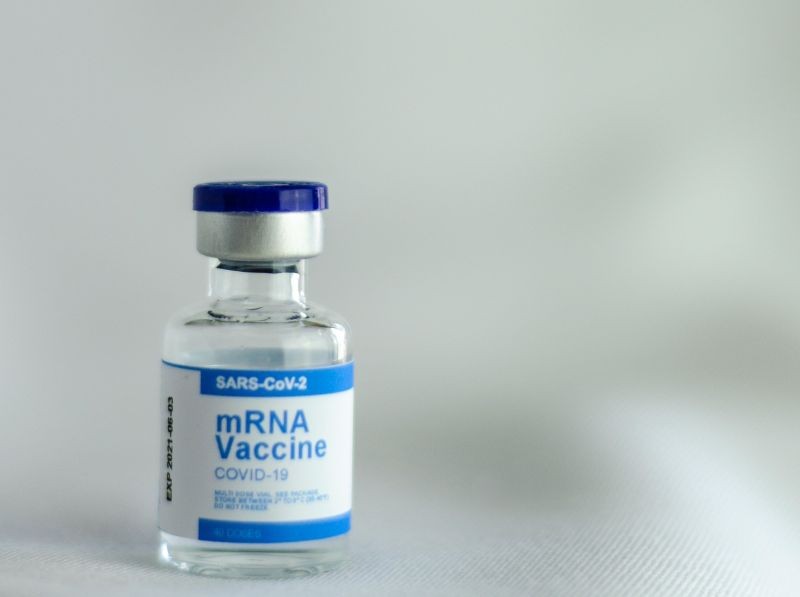
Think COVID vaccines don’t matter anymore? WHO research says otherwise
Up-to-date vaccination remains the most effective way to prevent severe COVID-19 illness, new research from the World Health Organization (WHO) shows, even as the pandemic has officially ended.
Although COVID-19 no longer causes the widespread disruption seen during the global health emergency, the virus continues to hospitalize and kill people across Europe and neighbouring regions.
Studies led by the WHO Regional Office for Europe confirm that people who receive timely booster doses are far less likely to develop severe disease, require intensive care or die.
The findings are based on data from the European Severe Acute Respiratory Infection Vaccine Effectiveness (EuroSAVE) network, which monitors respiratory infections in hospitals across parts of Europe, the Balkans, the South Caucasus and Central Asia.
Important findings
“The studies highlight that, while COVID-19 is not leading to the widespread disease we saw during the pandemic, it has still been causing a considerable number of hospitalizations and deaths,” said Mark Katz, a medical epidemiologist at the WHO regional office.
Between May 2023 and April 2024, nearly 4,000 patients were hospitalized with acute respiratory infections in countries covered by the network.
Almost 10 per cent of those cases were caused by COVID-19, despite the pandemic having been declared over. Among patients hospitalized with COVID-19, just 3 per cent had received a vaccine dose within the previous 12 months.
The consequences were often severe: 13 per cent of COVID-19 patients required admission to intensive care units, and 11 per cent died.
Comparative research also showed that patients hospitalized with COVID-19 were more likely than those with influenza to need oxygen, intensive care or to succumb to the illness.
Vaccines offer strong protection
By contrast, vaccination offered strong protection.
One EuroSAVE study found that an up-to-date COVID-19 vaccine received within the past six months was 72 per cent effective at preventing hospitalization and 67 per cent effective at preventing the most serious outcomes, including ICU admission and death.
A separate multi-country analysis found vaccines reduced COVID-related hospitalizations by about 60 per cent.
IBNS
Senior Staff Reporter at Northeast Herald, covering news from Tripura and Northeast India.
Related Articles

Fit, cleared, gone: Why a 'normal' ECG didn’t save a 53-year-old neurosurgeon from a sudden heart attack
The sudden death of renowned Nagpur neurosurgeon Dr Chandrashekhar Pakhmode in the early hours of December 31 has sent shockwaves through the medical community and raised troubling questions about how heart attacks can strike even those who appear medically fit.

Kolkata’s air quality slips into ‘very poor’ zone as winter pollution peaks, data shows
Kolkata/IBNS: Kolkata’s air quality has deteriorated sharply this winter, with official monitoring data showing repeated episodes of “very poor” air quality across key parts of the city, even as the issue remains largely absent from political discourse ahead of the West Bengal Assembly elections.

Mumbai to Shanghai in real time: Kokilaben Hospital performs India’s first cross-border Robotic Surgeries!
Kokilaben Dhirubhai Ambani Hospital, Mumbai, has achieved a historic national milestone by successfully performing India’s first international remote robotic surgeries on two patients in Mumbai, with the operating surgeon located in Shanghai—over 5,000 kilometres away.

Village panic after funeral feast: 200 get rabies shots over ‘infected’ buffalo milk raita
Nearly 200 residents of a village in Uttar Pradesh were administered rabies vaccine shots after it emerged that raita—a curd-based Indian dish they had consumed—was prepared using milk from a buffalo that later died after being bitten by a dog.
Latest News

No signal? no problem! BSNL launches VoWiFi nationwide across all circles

Samsung reveals Freestyle Plus ahead of CES 2026 — What makes this AI screen different?

Germany: Indian-origin student dies after jumping from building to escape fire on New Year

From currency crash to street bloodshed: What sparked Iran’s deadliest protests in three years

