
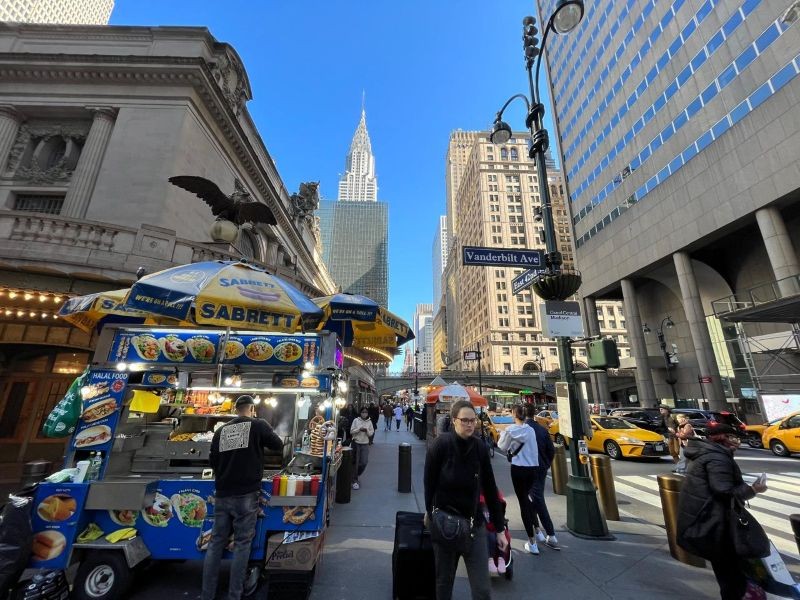
Against this backdrop, NRI entrepreneur Aniruddha Anjana, who says he spent 10 years living in the US, has shared his experience and outlined how much a family of four would need to earn annually to maintain what he describes as a comfortable lifestyle in 10 major American cities.
In a social media post, Anjana highlighted the gap between seemingly high US salaries and the actual cost of maintaining a family lifestyle in some of the country's most expensive cities.
The estimates are based on the 50/30/20 budgeting framework, under which 50% of income is allocated to essential expenses, 30% to discretionary spending such as travel and entertainment, and 20% to savings or investments.
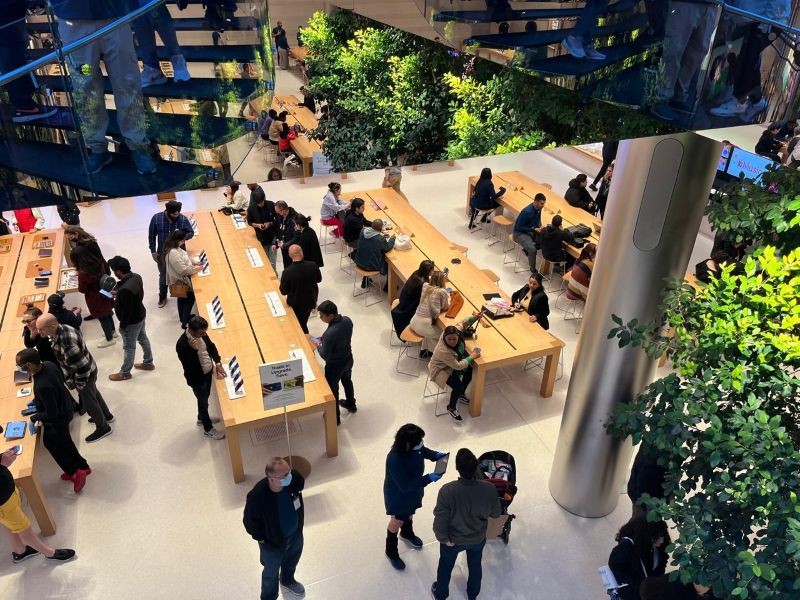 Apple Fifth Avenue - the Apple Store on 5th Ave in New York City.
Salary needed across major US cities
According to figures shared by Anjana, the estimated annual income required for a family of four — two adults and two children — is:
- San Francisco: $407,597
- San Jose: $402,771
- Boston: $368,742
- New York: $337,875
- Seattle: $334,131
- Washington, DC: $319,405
- Chicago: $242,278
- Austin: $229,050
- Dallas: $214,490
- Houston: $204,672
San Francisco tops the list at more than $400,000 a year, closely followed by San Jose. Boston, New York, Seattle and Washington, DC also feature among the cities where the estimated income requirement exceeds $300,000.
Even Houston crosses $200,000
Houston, which is generally considered more affordable than several of the other cities on the list, is estimated to require $204,672 a year for a family of four under the lifestyle assumptions used in the post.
Anjana's figures are intended to illustrate the difference between earning a high salary in the US and having enough income left over for discretionary spending and investments after meeting household expenses.
The H-1B salary challenge
The post also highlights the financial pressures faced by H-1B workers who relocate to the US with their families.
According to Anjana, a salary that may appear substantial when converted from Indian rupees can feel considerably less comfortable after accounting for expenses such as housing, healthcare, childcare, education and transportation.
He also pointed to differences between compensation in the technology sector and salaries available to H-1B professionals working in other industries.
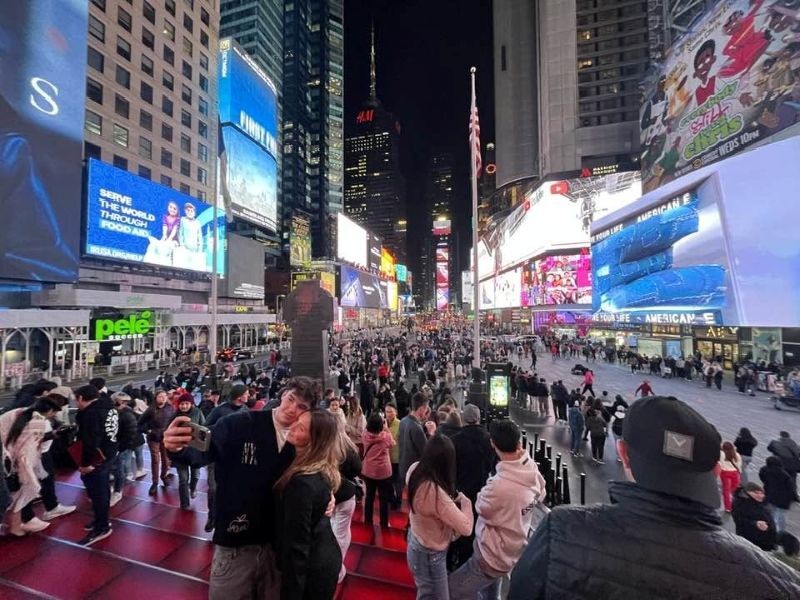 Times Square, New York City, USA.
'Earn in dollars, spend in rupees'
Anjana also shared how he changed his own career strategy after concluding that his US income did not adequately compensate for the country's high cost of living.
According to his post, he started a company in the US and subsequently moved back to India to run it.
He said the arrangement allows him to earn in dollars while spending primarily in rupees.
The entrepreneur described the shift as giving him greater financial flexibility and allowing him to travel to the US when he wants, rather than living there permanently.
He concluded the post by inviting people interested in building a similar arrangement to contact him for a consultation.
(Photos by Sujoy Dhar/IBNS)