
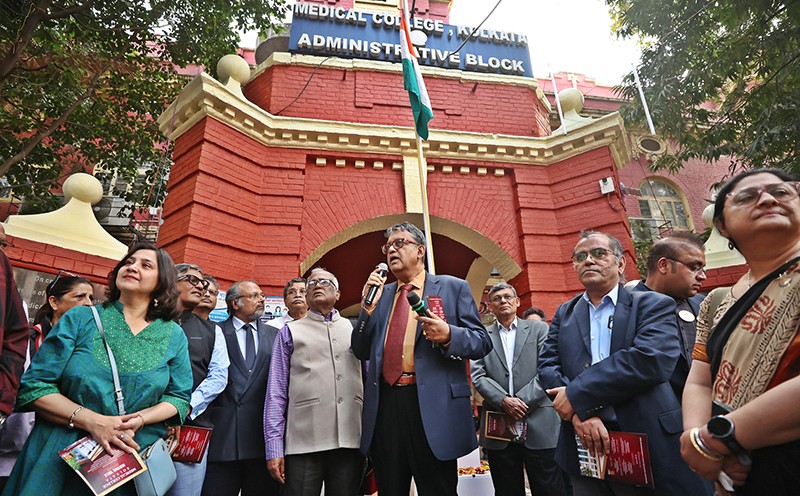
Situated on College Street, the intellectual spine of the city, the institution emerged at a time when colonial Calcutta was battling repeated public health emergencies, from malaria and cholera to kala azar and devastating waves of fever, making modern, evidence-based healthcare an urgent civic necessity rather than an abstract ideal.
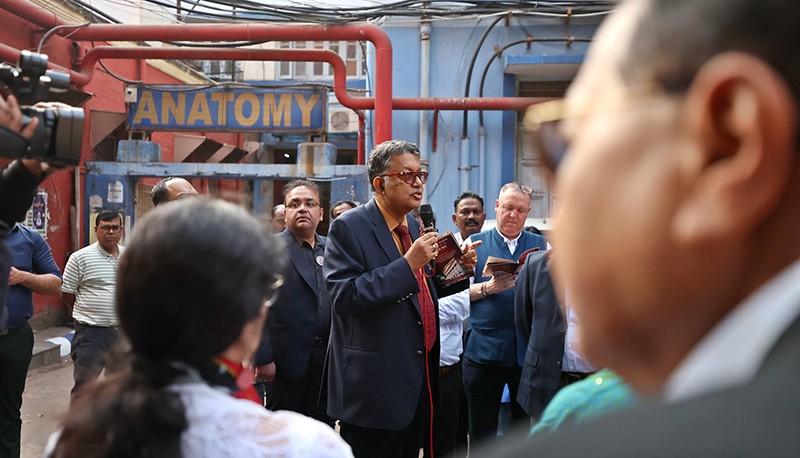
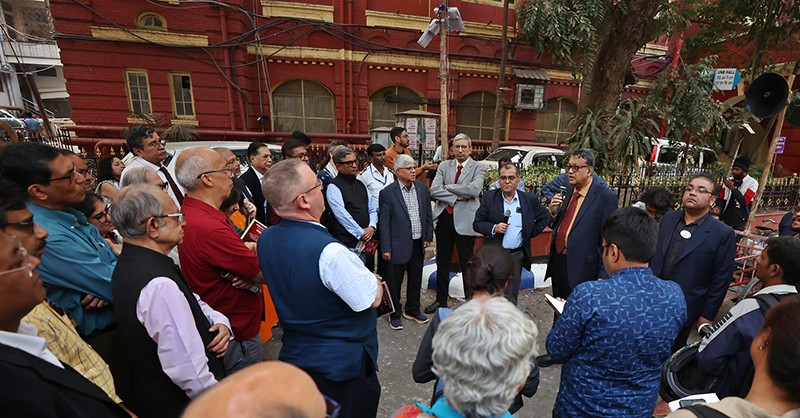
That long and layered history came alive last Wednesday during a heritage walk across the historic campus of Calcutta Medical College, marking the institution’s 192nd foundation year. The walk traced nearly two centuries of the college’s contributions to medicine, public health, social reform and nation-building.
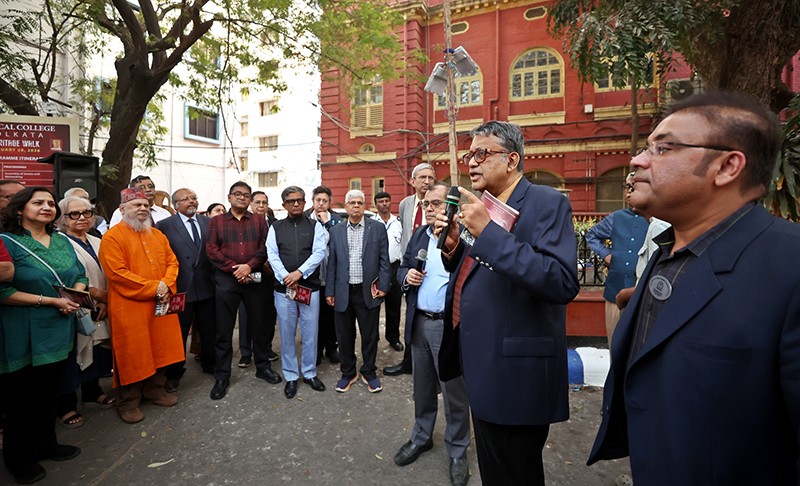
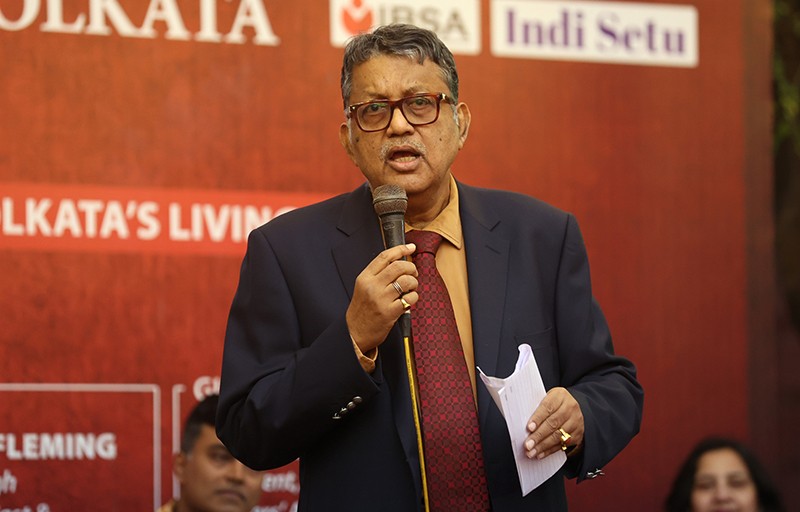
Convened by eminent urologist Dr. Amit Ghose, the event was organised by the Medical College Ex-Students’ Association in association with Purono Kolkatar Golpo, Indi Setu and the Indo-British Scholars Association. The initiative sought to connect the institution’s architectural landmarks with its pivotal role in shaping modern medical education and healthcare in India.
Participants were taken through the formative years of the college, which evolved amid epidemics and famine in late 18th- and early 19th-century Bengal. After the Battle of Plassey in 1757, rapid population influx, environmental change and poor sanitation made Calcutta acutely vulnerable to disease. Epidemics in 1757, 1762 and 1770 reportedly claimed tens of thousands of lives, followed by the catastrophic Bengal famine of 1770 in which nearly 10 million people are believed to have perished.
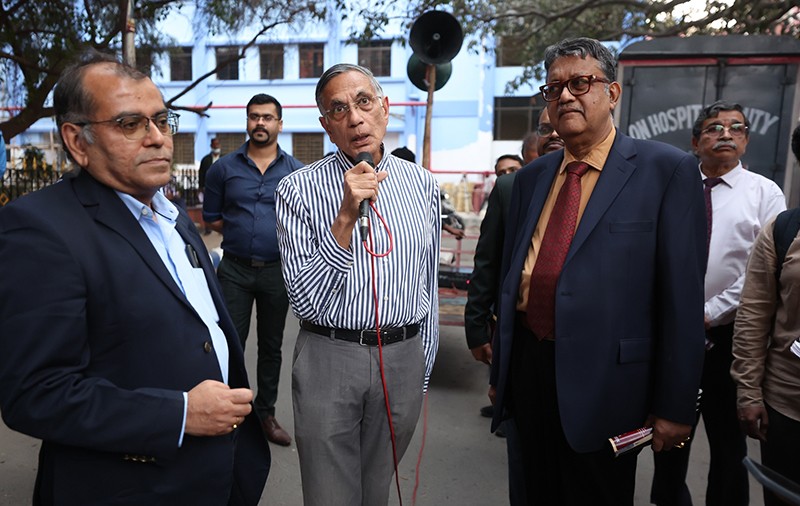
These crises prompted early attempts at institutional medical training. In 1822, the British administration founded the School for Native Doctors, the first medical school in British India.
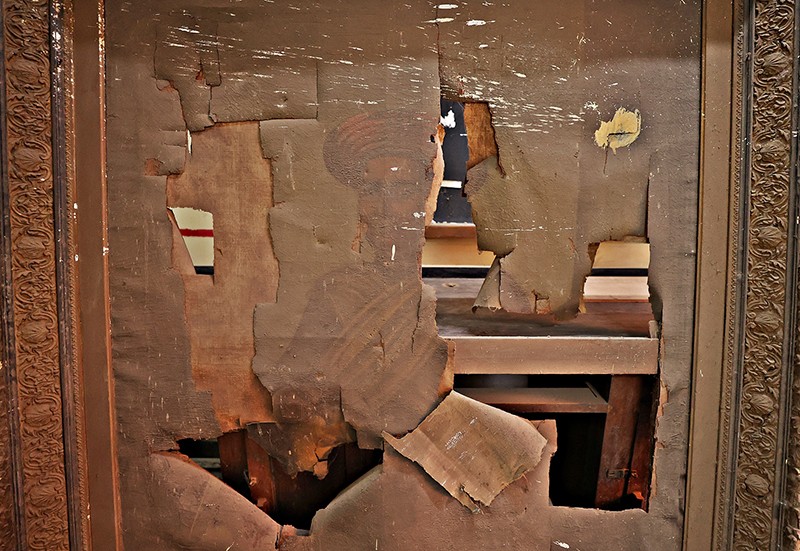
However, dissatisfaction with its curriculum and lack of practical anatomy led to a decisive shift. By government order on January 28, 1835, medical education was reimagined as a secular, science-based discipline, culminating in the establishment of Medical College, Bengal under Lord William Bentinck—a turning point in Indian medical education.
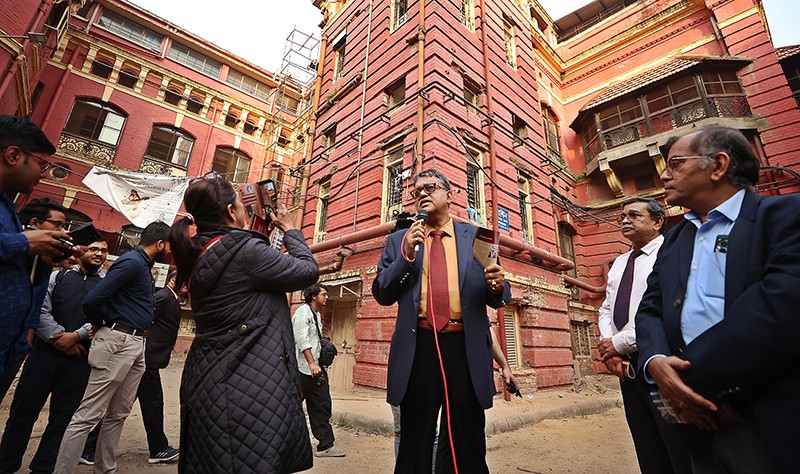
Most probably, the first class at the present site began on 17 March 1836.
The walk revisited landmark moments that placed the institution at the crossroads of medicine and social reform. In 1836, Pandit Madhusudan Gupta conducted the first human cadaver dissection by an Indian under the guidance of Dr. Henry Goodeve, directly challenging entrenched social taboos and signalling the rise of modern medical science in India.
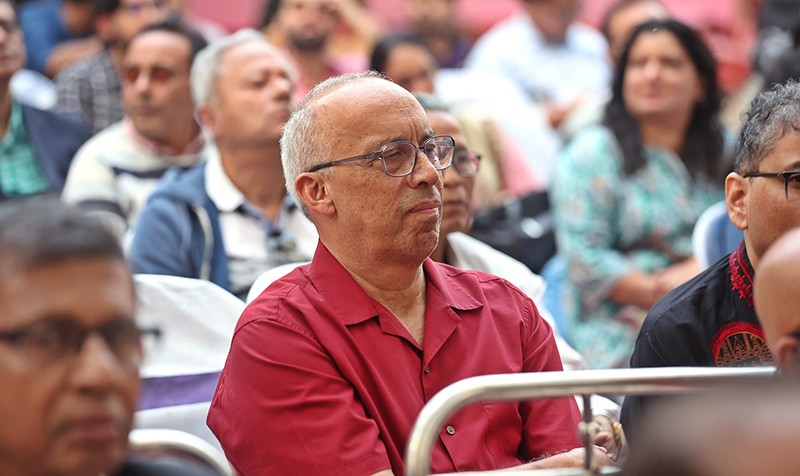
Decades later, in 1884, Kadambini Ganguly crossed another barrier when she became one of the first women in India to enter formal medical education at the college.
Over time, the institution produced a distinguished lineage of alumni, including Bidhan Chandra Roy, Upendranath Brahmachari and Sushila Nayar, whose work shaped public health policy, medical research and healthcare systems in India and abroad, including the UK’s National Health Service.
The curated route led participants through some of the campus’s most significant heritage structures. These included the main Medical College Hospital building, inaugurated in 1852 and central to the evolution of bedside learning in India; Eden Hospital, a pioneering centre for women’s and maternity care; and the Carmichael Hospital for Tropical Diseases, closely associated with early research on cholera and tropical medicine under Sir Leonard Rogers.
Other stops included the Sir John Anderson casualty block, highlighting the development of emergency medicine, and the David Hare Block, formerly the Prince of Wales Hospital, reflecting the growth of modern surgical care. The walk also spotlighted the role of philanthropy in the institution’s expansion, including contributions by Maharani Swarnamoyee, whose support advanced women’s medical education, and other benefactors of the Bengal Renaissance.
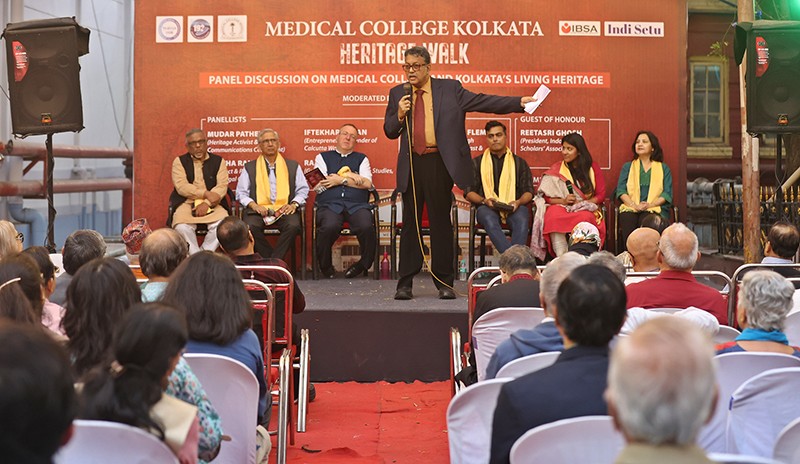
The heritage walk concluded with a panel discussion titled “Medical College and Kolkata’s Living Heritage”, which examined the institution’s enduring historical, educational and social significance, and its continued relevance within the city’s evolving urban and cultural landscape.
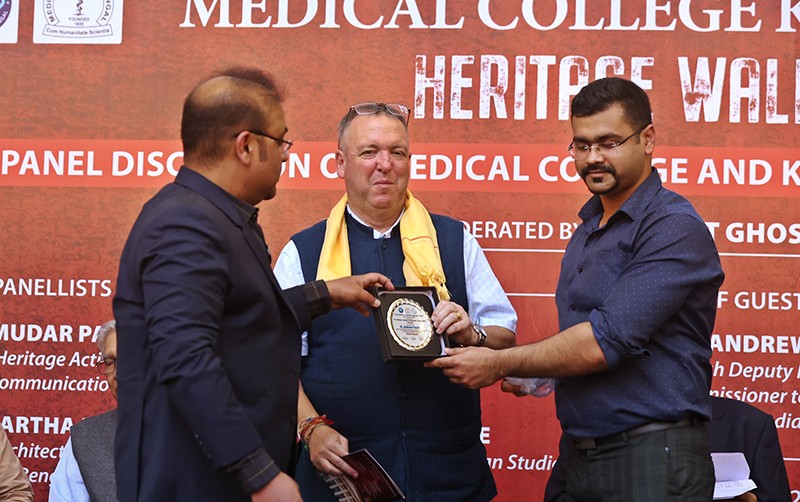
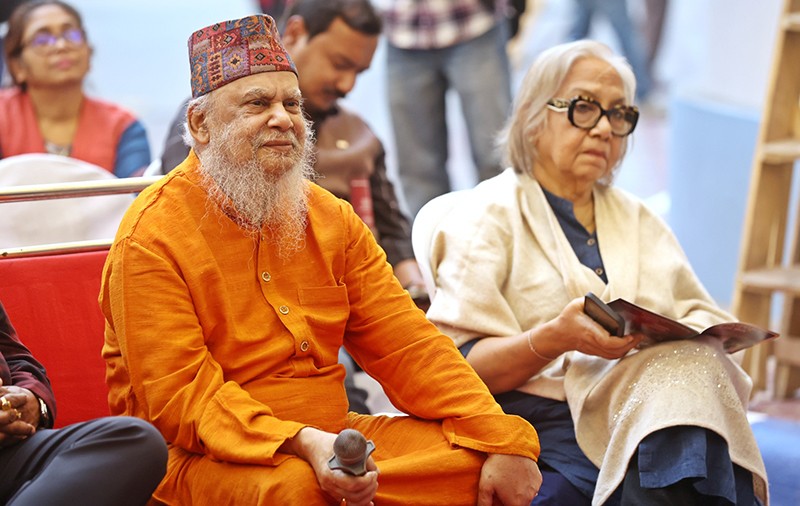
The panel discussion featured Mudhar Patherya, heritage activist and communications consultant; Partha Ranjan Das, architect and President of The Bengal Club; Iftekhar Ahsan, entrepreneur and founder of Calcutta Walks; and Rajita Banerjee, academician. The session was attended by chief guest Dr. Andrew Fleming, British Deputy High Commissioner to East and North East India, while Reetasri Ghosh, President of the Indo-British Scholars’ Association, was the guest of honour.
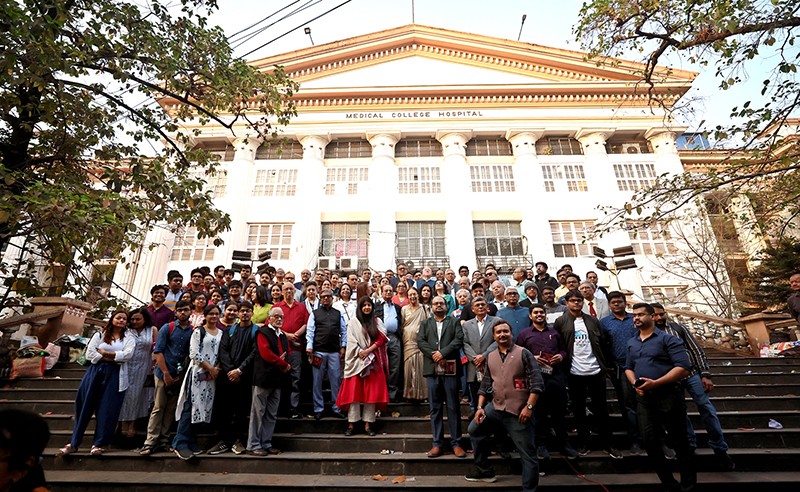
The event was supported by the Medical College Ex-Students’ Association, with Dr. Abhijit Chaudhuri as President, Dr. Abhik Ghosh as Vice President, Dr. Anjan Das as Secretary, Dr. Anirban Dalui as Treasurer, Dr. Sanjib Kumar Bandyopadhyay as Joint Secretary, and Dr. Partha Mondol as Assistant Secretary.
By linking buildings to ideas and milestones to lived experience, the walk offered participants not just a tour of a historic campus, but a deeper understanding of how Medical College, Kolkata has shaped—and been shaped by—the making of modern India.