
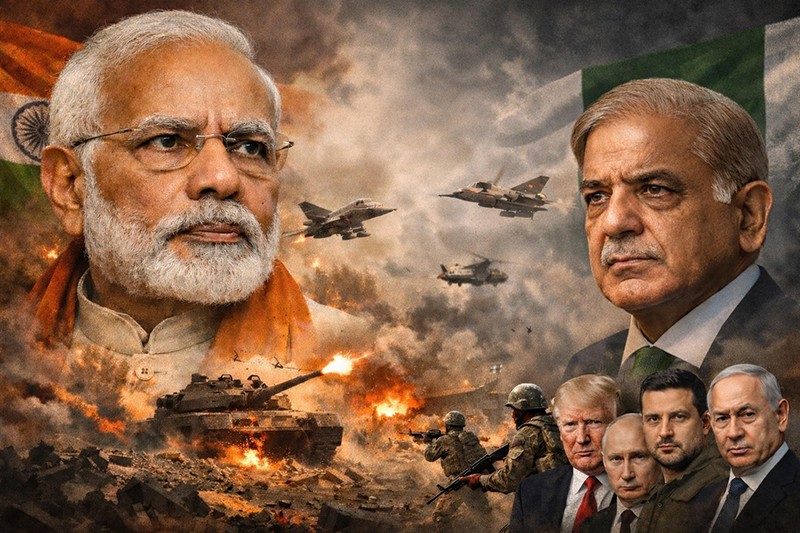
Faith, Conflict and Geopolitics
Maha Kumbh Mela: Faith Shadowed by Tragedy
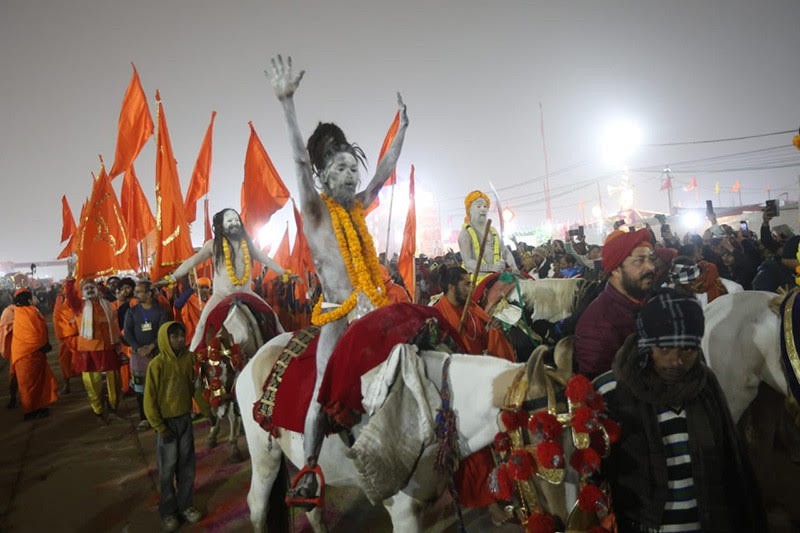
In January, Prayagraj in northern India became the epicentre of human faith as millions gathered for the Maha Kumbh Mela, among the largest religious congregations on Earth. Pilgrims from across India and overseas immersed themselves in the sacred Triveni Sangam, believing the ritual cleanses sins and brings spiritual renewal.
Despite massive logistical preparations, tragedy struck on January 28 when a stampede claimed 30 lives. The incident underscored the fragility of safety at mega-gatherings, casting a sombre pall over an otherwise successful festival.
Pahalgam Terror Attack and Operation Sindoor
Tourism in Jammu and Kashmir had been steadily rebounding since the revocation of Article 370 in 2019. That recovery was violently disrupted on April 22, when terrorists attacked tourists in the Baisaran Valley near Pahalgam, reportedly selecting victims based on religious identity.
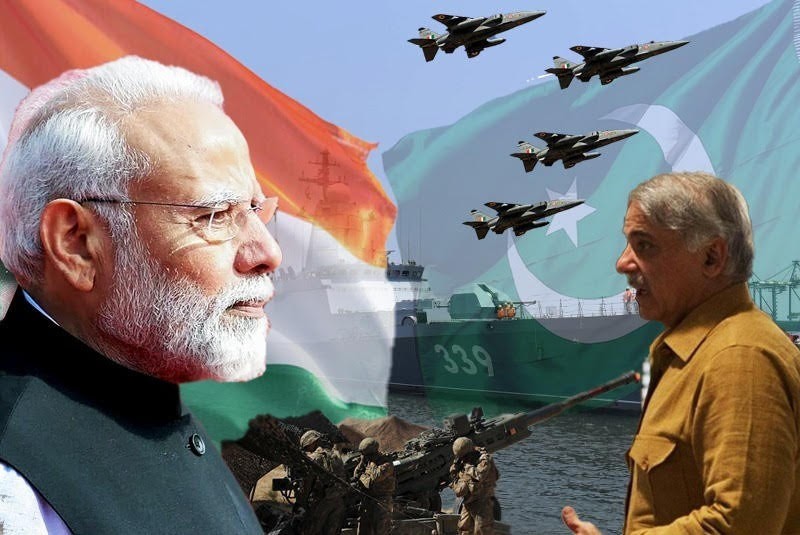
India responded in May with Operation Sindoor, launching strikes on terror infrastructure in Pakistan-occupied Kashmir and inside Pakistan. Islamabad retaliated with missile and drone attacks, pushing South Asia perilously close to escalation. While intense diplomatic engagement eventually defused the crisis, the episode reaffirmed the region’s enduring volatility.
Political Shifts at Home and Abroad
India’s Electoral Earthquakes
Delhi Assembly Elections
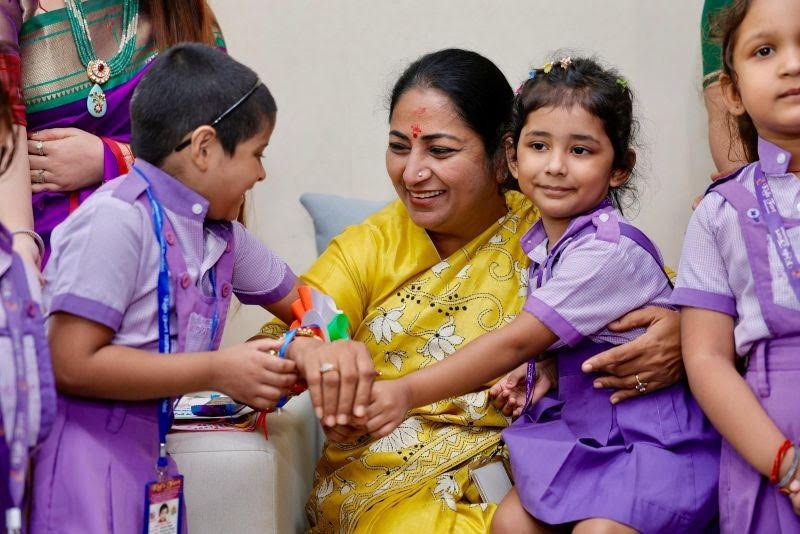
In a stunning political turnaround, the Bharatiya Janata Party (BJP) returned to power in Delhi after 26 years, winning 48 seats and unseating the Aam Aadmi Party. The result reshaped the capital’s political narrative.
Bihar Assembly Elections
Bihar Chief Minister Nitish Kumar secured an unprecedented tenth term as the National Democratic Alliance (NDA) won 202 of 243 seats, reinforcing his status as one of India’s most enduring political figures.
Donald Trump’s Second Act
On January 20, Donald Trump returned to the White House for a second term, capping one of the most extraordinary political comebacks in modern US history.
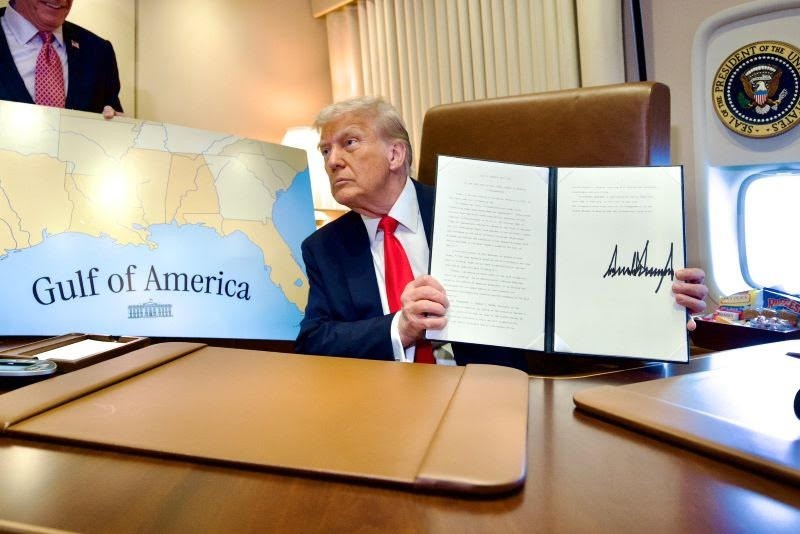
His administration quickly imposed aggressive tariffs, straining trade relations with partners including India. Global markets reacted sharply—the US dollar weakened, precious metals surged to record highs, and currency volatility signaled a turbulent phase for the world economy.
Wars Without End
Middle East: A Fragile Israel–Hamas Ceasefire
After a devastating conflict that began on October 7, 2023, a US-brokered ceasefire between Israel and Hamas came into effect on October 10, 2025. Gaza lay shattered, with millions displaced and humanitarian needs immense.
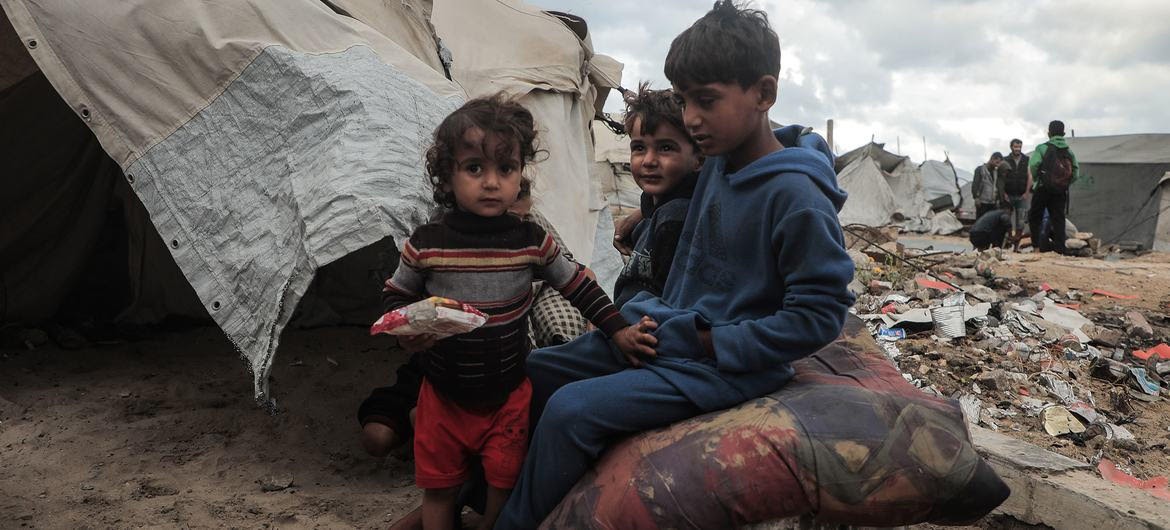
While the truce eased immediate suffering, long-term peace remained elusive amid unresolved questions over Hamas’s future, Gaza’s governance, and Israel’s security concerns.
Afghanistan–Pakistan Border Tensions
October witnessed the deadliest Afghanistan-Pakistan border clashes since the Taliban’s return to power in 2021. From October 11 to 19, ground combat and aerial strikes raised fears of wider confrontation. A ceasefire eventually followed, but the frontier remains dangerously unstable.
Ukraine War: Hopes Rise, Then Fade
Donald Trump’s return to office briefly raised hopes of ending the Russia-Ukraine war. Meetings with Ukrainian President Volodymyr Zelenskyy and Russian President Vladimir Putin fueled expectations, but diplomacy faltered.
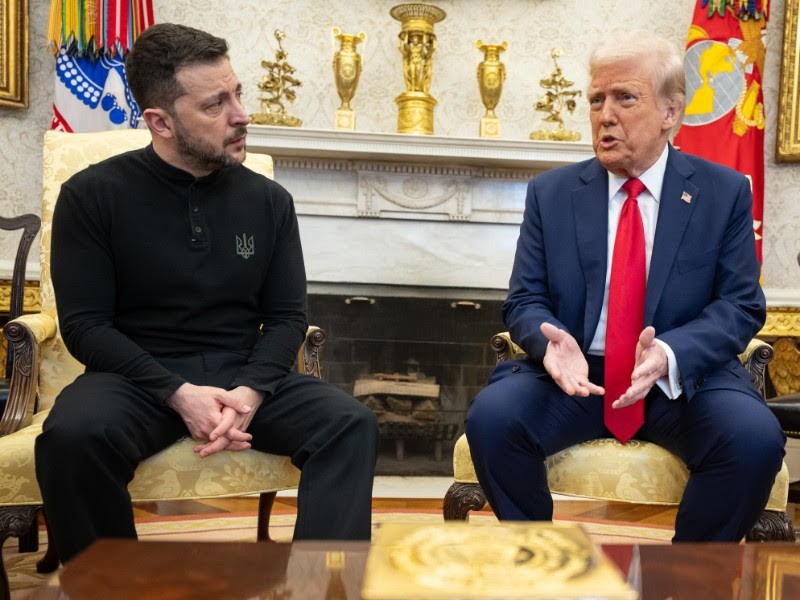
In a tense exchange, Trump publicly accused Zelenskyy of risking World War III. Later, Trump met Putin in Alaska—one of the year’s most closely watched encounters—yet no breakthrough emerged. By November, a US peace proposal seen as favourable to Moscow failed to gain traction. As 2025 ended, the war raged on.
Historic and Unlikely Turns
A New Pope from America
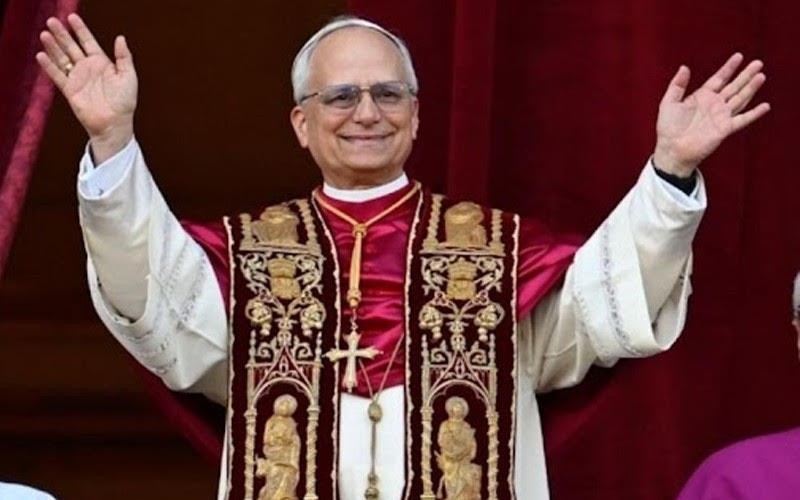
History was made on May 8 with the election of Robert Francis Prevost, 69, as the first American Pope following the death of Pope Francis. Born in Chicago and shaped by two decades of missionary work in Peru, he took the name Leo XIV, signaling continuity amid change for the global Catholic Church.
Nepal’s Gen Z Uprising
Nepal—long associated with peace and spirituality—was shaken by violent protests led by Generation Z after the government banned social media platforms. What began as a digital-rights protest escalated into a nationwide movement accusing the KP Sharma Oli-led government of corruption and authoritarianism.
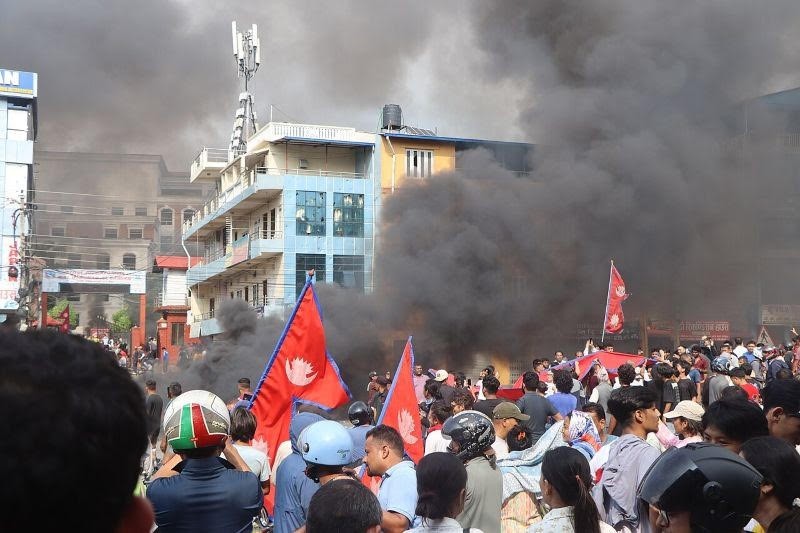
Facing overwhelming pressure, Oli resigned, marking a rare instance of youth-driven political change in South Asia.
Crime, Terrorism, Crisis and Catastrophe
The Louvre Heist
On October 19, France was stunned when thieves disguised as workers infiltrated the Louvre Museum using a furniture ladder and escaped on scooters with Crown Jewels valued at €88 million ($102 million).
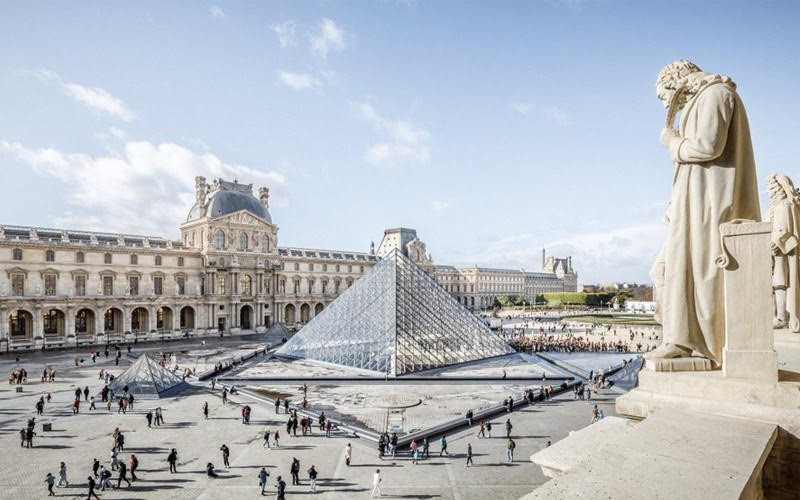
The audacious theft raised serious questions about security at one of the world’s most guarded museums. While three suspects were arrested, the jewels remain missing.
Aviation Turmoil
IndiGo Crisis
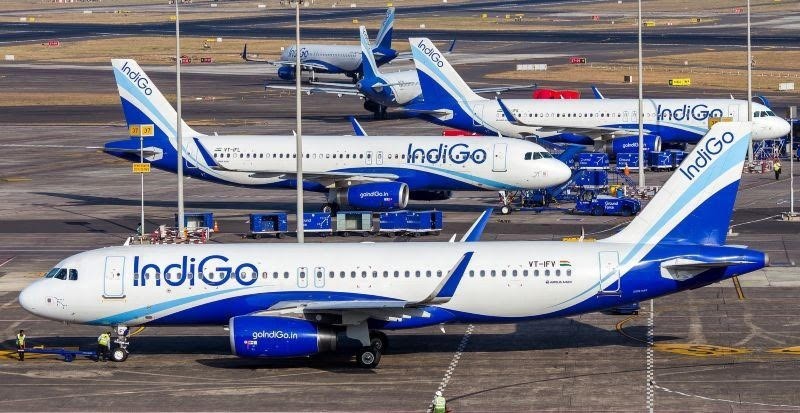
India’s largest airline faced chaos in December after new DGCA norms disrupted cabin crew operations, forcing thousands of flight cancellations and leaving travellers stranded.
Air India Tragedy
On June 12, Air India Flight 171, a Boeing 787-8 Dreamliner, crashed shortly after takeoff from Ahmedabad en route to London. Of 243 people onboard, only one survived; 19 others died on the ground.
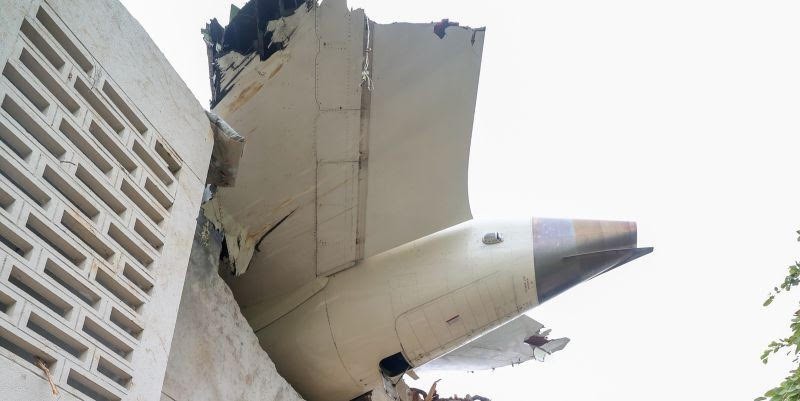
Investigators later found that engine fuel switches were inadvertently turned off during critical moments after takeoff—a devastating mix of human error and cockpit confusion.
The catastrophe sent a wave of shock and grief across India, reviving painful memories of past aviation disasters and triggering widespread anxiety about air safety. Airports tightened protocols, airlines rushed to reassure passengers, and social media was flooded with anguished questions about cockpit procedures and pilot training. For many Indians, especially frequent flyers, the tragedy shattered the assumption that modern aircraft and advanced automation guarantee safety, leaving behind a lingering unease and a demand for accountability, transparency, and reform in civil aviation oversight.
Red Fort Car Bomb Blast
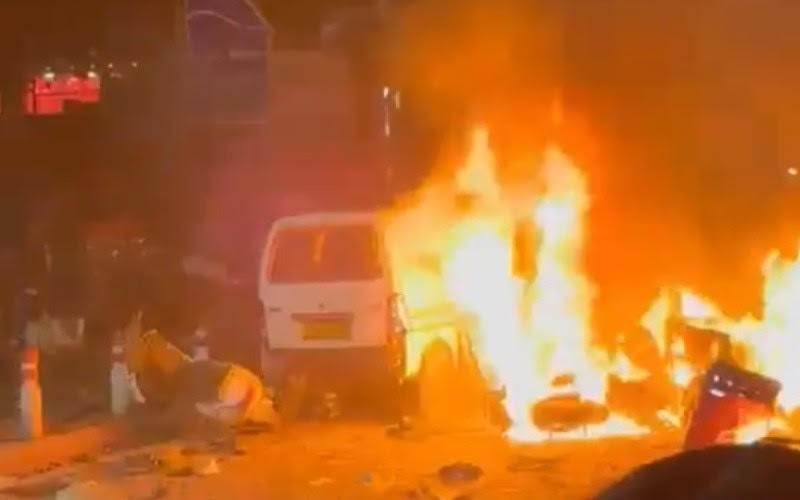
On November 10, a car bomb exploded near New Delhi’s historic Red Fort, killing at least 11 people and injuring more than 20 others. Classified as a terror attack, the blast sent shockwaves across the capital and prompted a high-level probe by the National Investigation Agency.
Preliminary investigations revealed a complex web of logistical and financial support behind the attack, with authorities examining the roles of several individuals allegedly linked to extremist networks. Shockingly, investigative agencies said some suspects who came under scrutiny were professionals with respectable public profiles, including individuals from the medical fraternity and other white-collar backgrounds. Officials noted that this highlighted a disturbing trend in which radical networks exploit educated and socially trusted individuals for shelter, funding, or technical assistance.
While the investigation remains ongoing and no conclusions have yet been formally established, agencies have stressed that the involvement of such figures—if proven—would underscore the evolving and insidious nature of terror networks operating within urban India, blurring the lines between overt extremism and seemingly ordinary civilian life.
Bangladesh on the Brink
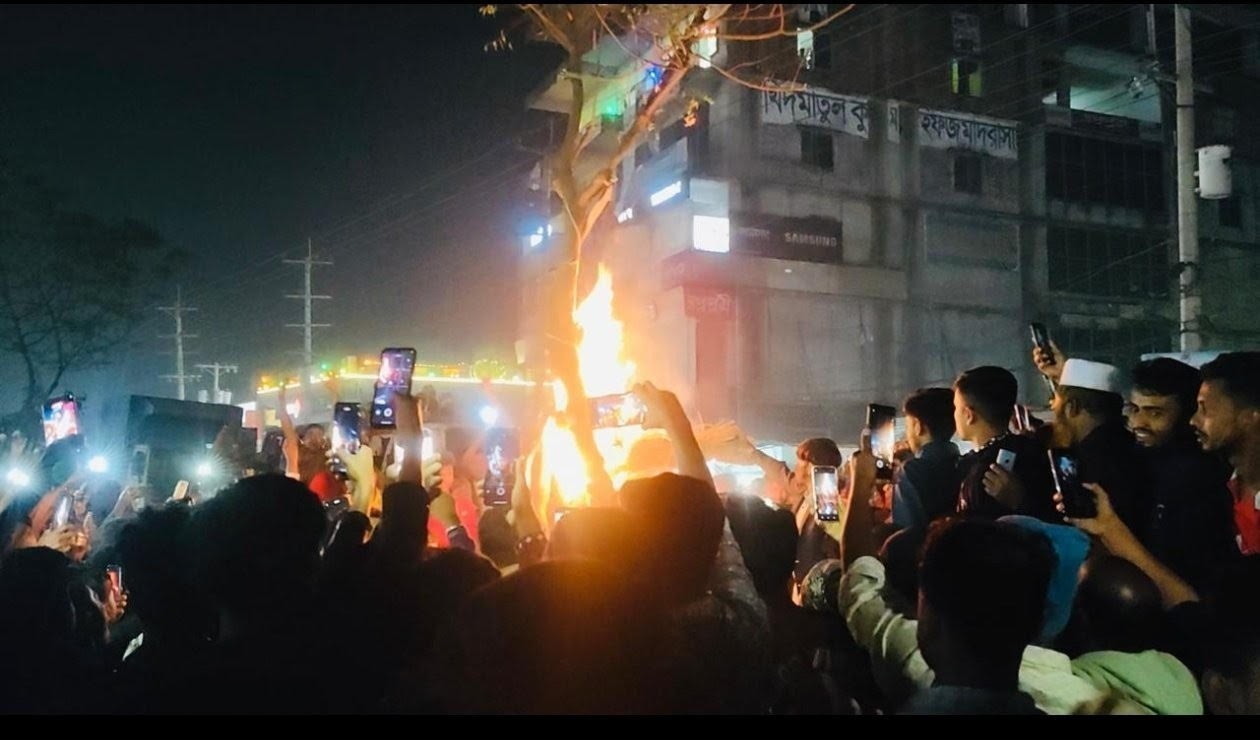
Bangladesh endured a year of unrest marked by protests, communal violence, and the growing influence of radical Islamist forces, developments that disproportionately affected Hindu minorities and deepened anti-India rhetoric. Reports of attacks on temples, homes, and businesses surfaced intermittently, reinforcing fears among minority communities of shrinking civic and physical space amid political instability.
The interim government struggled to stabilise the country after former Prime Minister Sheikh Hasina was ousted in August 2024 during the July–August Uprising. Now in India, Hasina was later sentenced to death in cases linked to the crackdown, a move that further polarised Bangladeshi society and sharpened divisions between rival political camps. The return of BNP Acting Chairman Tarique Rahman after 17 years reshaped the political landscape, but hopes of a reset quickly unravelled following the December killing of radical student leader Osman Sharif Hadi. His death triggered widespread vandalism and coordinated attacks on media houses, minority neighbourhoods, and political offices, underscoring the fragility of law and order. With elections slated for 2026, uncertainty looms large over Bangladesh’s democratic future.
Among the most disturbing episodes was the killing and burning of Hindu man Dipu Das, an incident that sent shockwaves through both Bangladesh and India. The brutality of the act sparked outrage among rights groups and minority organisations, who cited it as emblematic of the growing vulnerability of Hindus amid rising radicalisation. While investigations were initiated, the killing deepened fear within the community, prompting renewed calls for accountability, protection of minorities, and international scrutiny of Bangladesh’s deteriorating communal climate.
Success in Sports: Moments of Joy
India’s Women Lift the World Cup
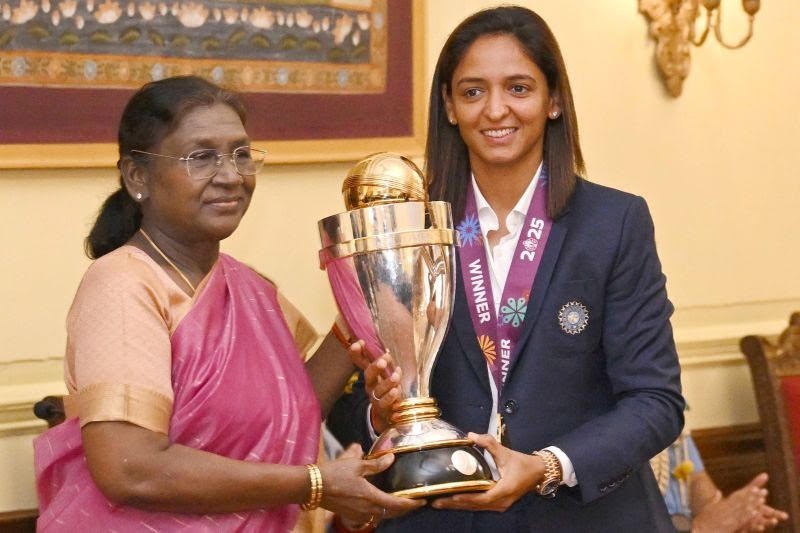
India’s women’s cricket team etched history by winning their first 50-over World Cup, defeating South Africa in the final. Deepti Sharma and Shafali Verma starred in a triumph that transformed perceptions of women’s cricket in the country.
Neeraj Chopra Breaks the 90-Metre Barrier
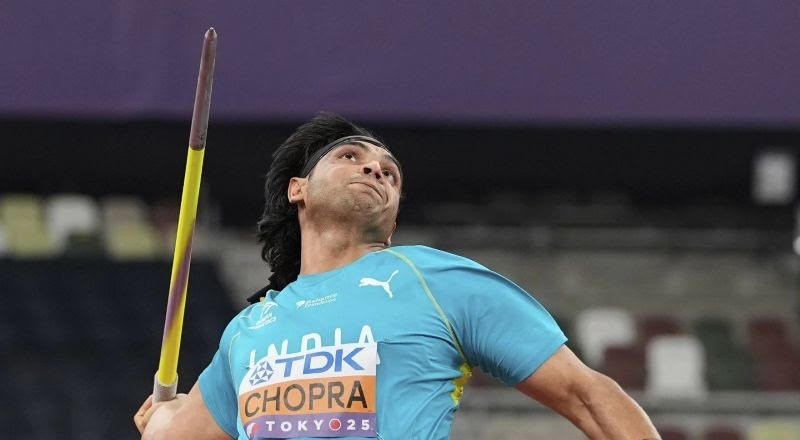
Olympic champion Neeraj Chopra crossed the iconic 90-metre mark with a personal best of 90.23m at the Doha Diamond League—cementing his status as a global great.
Chess Glory
Rising star Divya Deshmukh defeated Koneru Humpy in an all-Indian FIDE Women’s World Cup final, clinching the title and earning a Grandmaster norm.
Champions Trophy Triumph
Rohit Sharma ended his tenure as India captain on a high, leading the team to Champions Trophy glory in Dubai.
Hockey Asia Cup Returns
India’s men reclaimed the Hockey Asia Cup after eight years, defeating South Korea in the final.
The ‘Messi Mess’
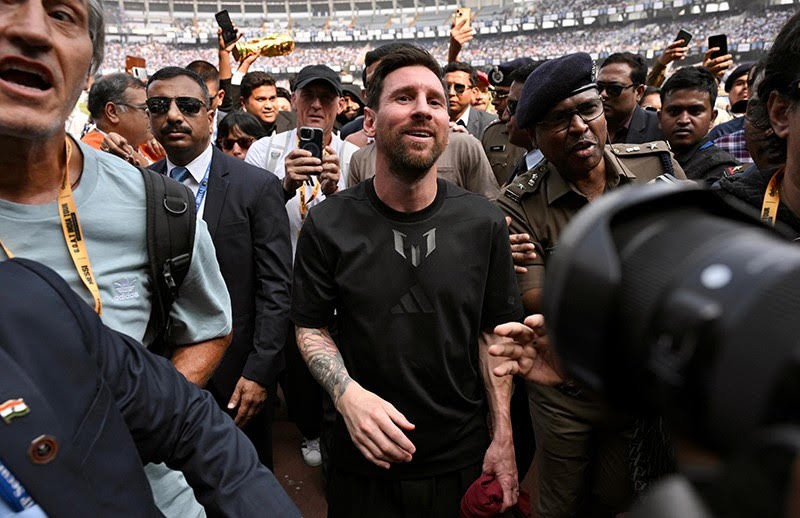
Lionel Messi’s return to India sparked chaos in Kolkata after fans vandalised Salt Lake Stadium when denied a glimpse of the football icon. The organiser was arrested, though Messi’s subsequent visits to Delhi and Mumbai passed smoothly.
Lights, Camera, Legacy
Dhurandhar: The Film That Became a Phenomenon
Sawaariya emerged as one of 2025’s biggest commercial successes, defying early skepticism to become a box-office juggernaut. Powered by chart-topping music, lavish visuals, and a strong emotional core, the film struck a chord with both urban audiences and the mass belt. Its theatrical run was marked by repeat viewership and strong word-of-mouth, while its soundtrack dominated playlists and social media reels for months. More than just a hit, Sawaariya reaffirmed the enduring appeal of big-screen romance and spectacle in an era often dominated by gritty realism and streaming-first releases.
If Sawaariya was a triumph of scale and sentiment, Aditya Dhar’s Dhurandhar was a phenomenon of a different kind. Dark, layered, and relentlessly discussed, the film transcended cinema to become a cultural moment. Its sharp political subtext, morally ambiguous characters, and audacious storytelling sparked fierce debate across newsrooms, campuses, and social media timelines. Lauded by critics and dissected by audiences, Dhurandhar blurred the line between entertainment and commentary, proving that mainstream Indian cinema in 2025 could be both commercially viable and intellectually provocative.
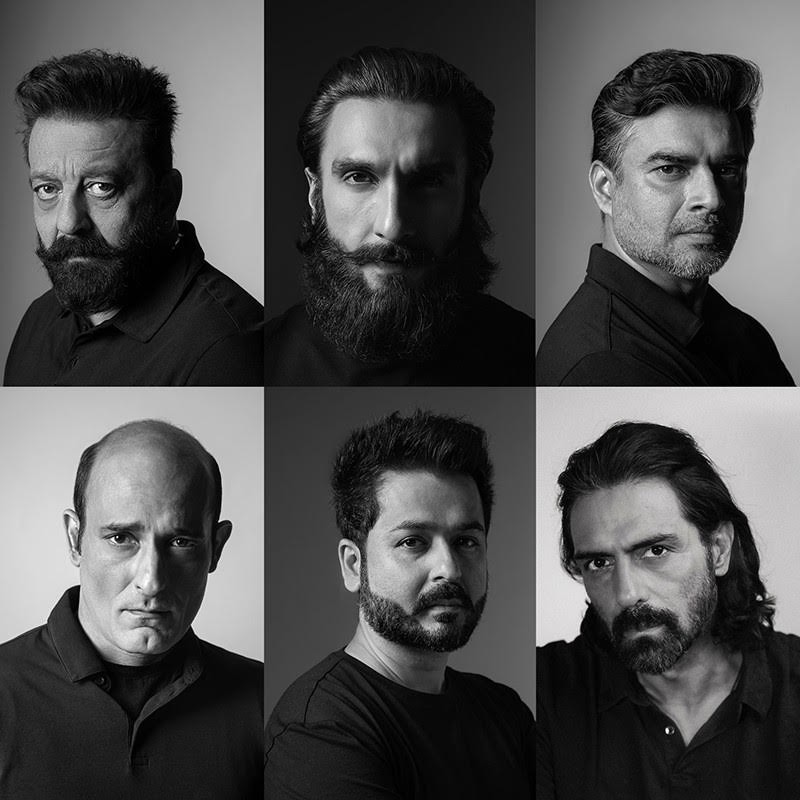
The actors who truly came out as winners in Dhurandhar were Akshay Kumar and Ranveer Singh, both of whom delivered career-defining performances that reshaped public perception. Akshay surprised critics and audiences alike with a controlled, deeply internalised portrayal that moved away from his familiar heroic mould, drawing praise for its gravitas and moral complexity. Ranveer, meanwhile, channelled raw intensity and psychological depth, proving once again his ability to inhabit volatile, challenging characters with unsettling ease.
National Awards Glory
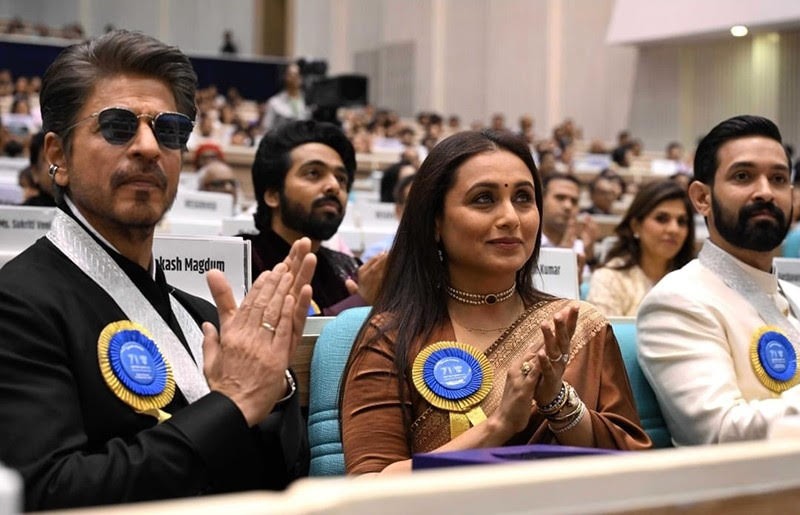
Shah Rukh Khan and Rani Mukerji won their first National Awards. Khan shared Best Actor honours for Jawan, while Mukerji won Best Actress for Mrs Chatterjee vs Norway.
Farewell to Dharmendra
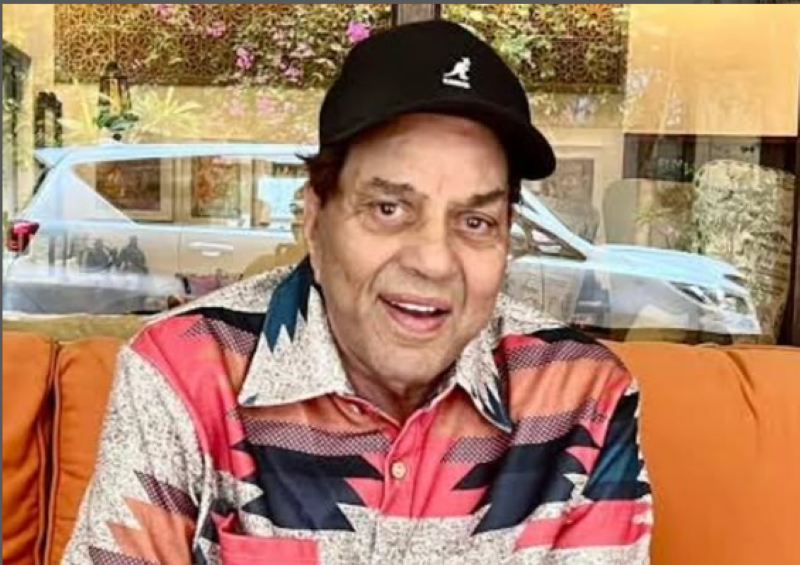
Veteran actor Dharmendra passed away on November 24 at 89, closing a chapter of Hindi cinema. From Sholay to Chupke Chupke, he bridged rugged heroism and gentle romance, leaving an indelible legacy across generations.
Images courtesy: Rekha Gupta/Facebook, White House/X, UNICEF/Mohammed Nateel, Wikimedia Commons/Flickr/The White House, The Vatican/X, Himal Suvedhi/Wikimedia Commons, The Louvre Musuem/X, IndiGo/Facebook, PIB, SAI Facebook, IBNS FIle, Aditya Dhar X