
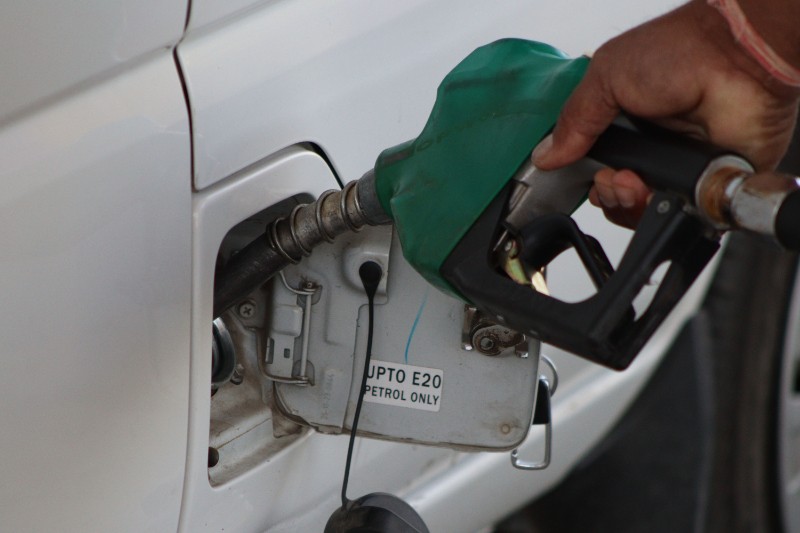
A new survey conducted by LocalCircles suggests that concerns surrounding India's nationwide rollout of E20 fuel are widening, particularly among owners of vehicles manufactured before 2023.
The findings come months after India expanded the availability of E20 petrol as part of its ethanol-blending programme.
While the initiative aims to reduce fossil fuel dependence and lower emissions, the latest survey indicates that many motorists remain concerned about its long-term impact on older vehicles.
Rising repair requirements
According to the LocalCircles survey, which received responses from more than 44,000 owners of petrol vehicles manufactured before 2023 across 305 districts, 55 percent of respondents said they had experienced increased wear and tear or higher repair requirements since early 2025.
The figure represents a sharp increase from the organisation's previous survey conducted in May 2026, when 29 percent of respondents reported similar concerns.
Among those who noticed changes, 24 percent described the increase in repairs as "major", while 21 percent called it "moderate".
Meanwhile, 38 percent said they had not observed any unusual mechanical issues.
The latest findings suggest that concerns among owners have intensified over a relatively short period.
Possible reasons behind mechanical issues
LocalCircles said ethanol's chemical properties could be contributing to the reported problems, particularly in older vehicles that were not originally designed for higher ethanol blends.
According to the survey analysis, ethanol readily absorbs moisture, which may increase corrosion in fuel tanks, fuel injectors, pumps and metal fuel lines.
It may also gradually affect rubber hoses, seals, O-rings and certain plastic components that were originally engineered for lower ethanol concentrations, such as E5 or E10.
The survey noted that prolonged exposure could potentially lead to increased maintenance requirements for vehicles lacking E20-compatible components.
Mileage concerns continue to grow
The latest findings also indicate that concerns over fuel efficiency remain widespread.
According to the survey, 66 percent of owners of pre-2023 petrol vehicles said their mileage had declined by more than 10 percent since early 2025.
In the previous LocalCircles survey conducted in May, the corresponding figure stood at 45 percent.
Breaking down the responses, 23 percent of respondents said their vehicles had suffered mileage losses exceeding 20 percent.
Another 23 percent estimated a decline of between 15 and 20 percent, while 20 percent reported reductions ranging from 10 to 15 percent.
The survey highlights a month-on-month increase of 21 percentage points in the number of respondents reporting mileage losses exceeding 10 percent.
LocalCircles attributed the reduction primarily to ethanol's lower energy density.
Since ethanol contains less energy per litre than conventional petrol, engines typically require more fuel to generate the same level of performance.
Older vehicles, the survey noted, generally lack the adaptive engine management systems available in newer E20-compatible models, making it more difficult for them to compensate for the altered fuel composition.
Real-world experience differs from laboratory estimates
The findings also highlight a growing debate over the real-world performance of E20 fuel.
The Automotive Research Association of India (ARAI) has estimated that E20 petrol should reduce fuel efficiency by around 1 to 6 percent under test conditions.
However, LocalCircles said several independent real-world studies have reported mileage reductions closer to 8 to 12 percent in older vehicles, suggesting that actual driving conditions may produce different outcomes from laboratory assessments.
The survey argues that concerns are no longer centred solely on fuel economy but are increasingly focused on the long-term durability and maintenance costs of ageing petrol vehicles.
Higher ethanol blends move closer
The discussion comes as the government has notified fuel standards for higher ethanol-petrol blends, including E22, E25, E27 and E30.
Although these higher blends are not yet available at retail fuel stations, the notification establishes the technical standards required for their future introduction.
For many owners of older petrol vehicles, the LocalCircles survey suggests that questions over vehicle compatibility, maintenance costs and long-term performance are likely to remain central as India's ethanol-blending programme continues to evolve.