
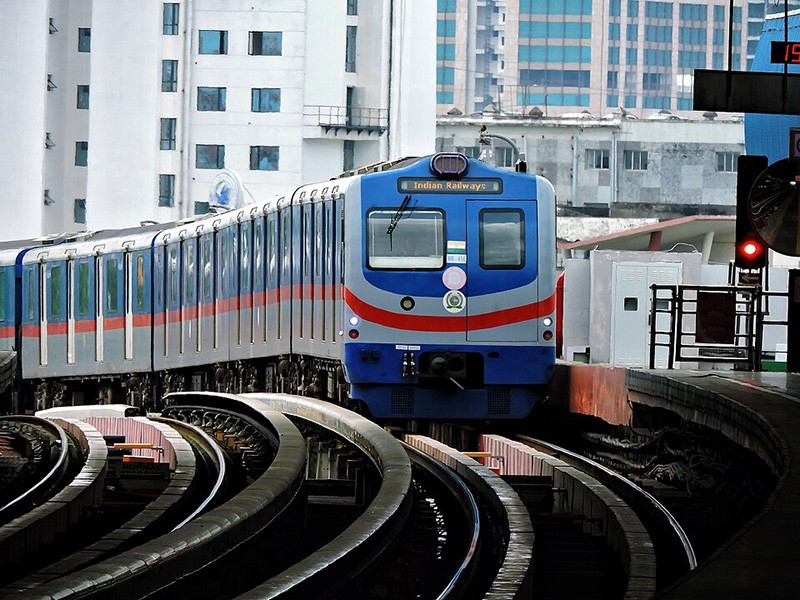
The project had remained stalled for years due to a deadlock over the shifting of underground water pipelines along the busy B.T. Road corridor.
Suvendu Adhikari welcomed the development in a post on X, saying the NOC from the KMC marks a significant step towards expanding rapid mass transit across Kolkata’s northern suburbs.
He said the project would significantly reduce travel time, ease congestion on one of the city’s major arterial roads and provide commuters with safer and more modern public transport.
“The progress on this 12-kilometer corridor displays what focused administrative determination can achieve,” Adhikari said.
He also highlighted the need to balance infrastructure expansion with the protection of the city’s drinking-water network. According to him, the construction of a new dedicated water transmission pipeline will safeguard the essential potable water supply while allowing the Metro project to move forward.
The KMC and Metro officials had met on May 26 to resolve the deadlock over the pipeline issue.
Following an initial consensus, Rail Vikas Nigam Limited (RVNL) floated a tender inviting bids for the construction of the viaduct and 10 elevated stations along the corridor.
A railway official had earlier told The Telegraph that six existing pipelines would have to be shut down and replaced with new ones before construction could proceed.
“It is a gigantic project, but it can be done with planning. The project was stalled because of politics,” the official said.
The development has also been welcomed by the real estate sector.
Mahesh Agarwal, Managing Director of Purti Realty, said the Baranagar–Barrackpore Metro corridor could significantly transform North Kolkata and its surrounding suburbs by improving connectivity along B.T. Road.
He said reduced travel times and easier access could create opportunities for residential, commercial and mixed-use developments.
Improved Metro connectivity could also boost sectors such as healthcare, education, retail and hospitality by making services more accessible to residents across the region.
From a real estate perspective, Agarwal said better mass-transit connectivity could encourage more structured development along the corridor, contributing to the broader economic growth of North Kolkata and creating a more interconnected and sustainable urban environment.