
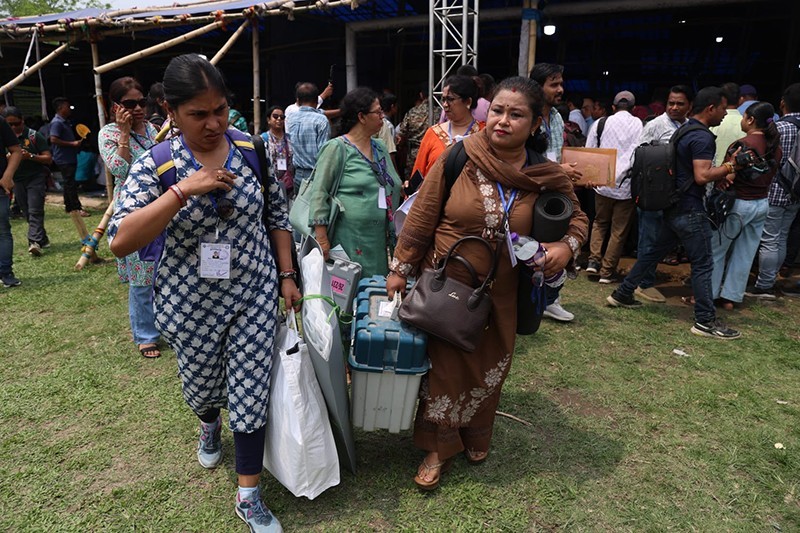
While Tamil Nadu is conducting voting in a single phase across all 234 constituencies, West Bengal will hold polling for 152 seats in the first phase.
The second phase in Bengal is scheduled for April 29.
High-decibel campaign marks run-up
Both states witnessed intense campaigning led by top political leaders.
Prime Minister Narendra Modi and Union Home Minister Amit Shah led the Bharatiya Janata Party’s outreach efforts, aiming to challenge incumbent leaders.
Rahul Gandhi and other Opposition leaders also actively participated in campaign rallies, contributing to a charged political environment ahead of polling.
The Election Commission reported large-scale seizures of cash, liquor, and other inducements, with recoveries exceeding Rs 1,072.13 crore since February 26, reflecting heightened vigilance during the election period.
Tight security and poll preparations
Authorities ensured extensive deployment of security personnel across both states.
In Tamil Nadu, officials transported Electronic Voting Machines and polling materials under strict security arrangements.
In West Bengal, central forces were deployed in significant numbers.
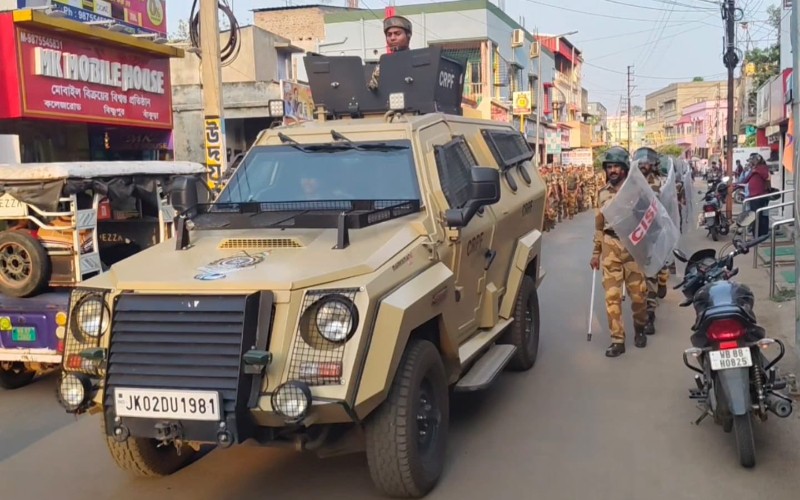 CRPF's armoured vehicles are patrolling across West Bengal. Photo: X/@CrpfWest
Chief Minister Mamata Banerjee raised concerns over the presence of central forces, questioning whether it could influence voters.
She also referred to the use of armoured vehicles by security personnel during polling.
Key contests in West Bengal
The first phase in West Bengal includes several prominent constituencies such as Nandigram, Darjeeling, Siliguri and Jalpaiguri.
Nandigram remains a closely watched seat, where BJP's Suvendu Adhikari is contesting.
Banerjee has shifted her electoral base to Bhabanipur, while Adhikari has also filed his nomination from the same constituency, setting up a significant political contest.
North Bengal remains a major focus in this phase, with 54 assembly seats going to the polls in the region.
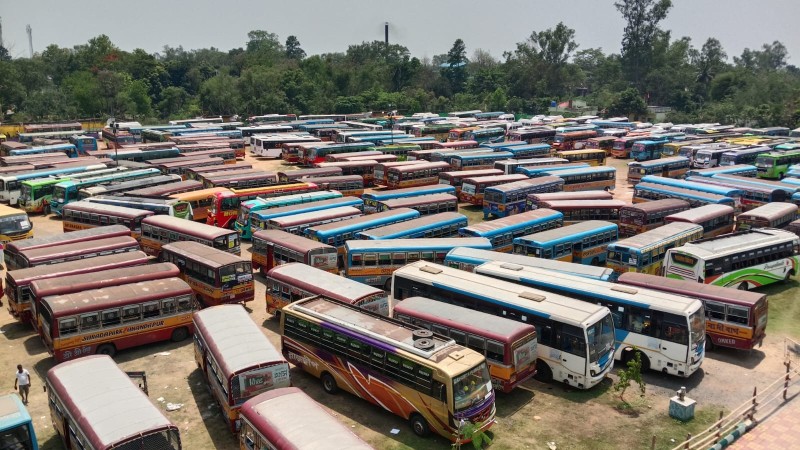 ECI's vehicle arrangement for polling personnel at a dispersal centre in Jhargram, West Bengal. Photo: Facebook/@ceowb
Political stakes in Bengal
The electoral contest in West Bengal centres on whether Mamata Banerjee can retain power amid a strong challenge from the BJP, which seeks to expand on its gains from the previous election.
Campaign narratives have focused on governance issues, law and order, and regional identity, with both sides intensifying their messaging during the campaign period.
The Congress and Left Front continue to contest the elections, aiming to maintain relevance in the state’s evolving political landscape.
Tamil Nadu sees bipolar contest
In Tamil Nadu, more than 5.73 crore voters are eligible to cast their ballots, deciding the fate of 4,023 candidates.
The primary contest is between the Dravida Munnetra Kazhagam, led by Chief Minister M K Stalin, and the All India Anna Dravida Munnetra Kazhagam, led by Edappadi K Palaniswami.
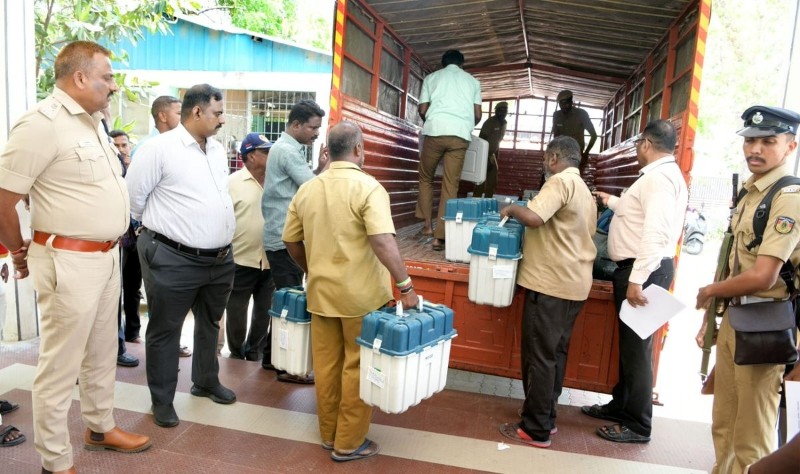 ECI dispatches polling parties for Thanjavur district, Tamil Nadu, ahead of the Assembly polls. Photo: Facebook/@ECI
Dravidian parties continue to dominate the state’s political landscape, with national parties playing a supporting role through alliances.
Vijay's entry adds new dimension
Actor-turned-politician Vijay has entered the electoral fray with his party, Tamilaga Vettri Kazhagam.
His campaign has drawn significant public attention and large crowds at rallies.
His party is contesting independently, adding a new dynamic to the election.
The impact of this support on actual voting outcomes remains a key factor to watch.
Results in May
The results for the Assembly elections in West Bengal and Tamil Nadu, along with Assam, Kerala and Puducherry, are scheduled to be announced on May 4, marking the culmination of one of the most closely watched electoral contests in the country.