
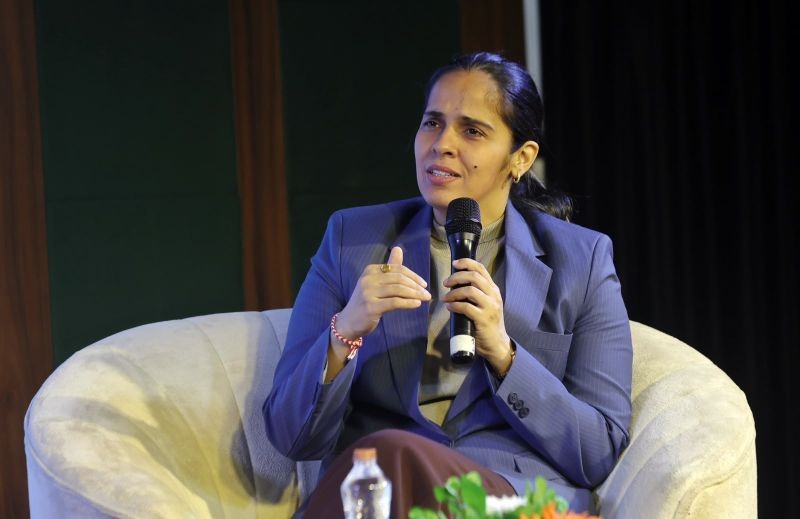
Q. How did your journey in badminton begin?
A: I initially joined karate classes and was enjoying the competitions, but the rigorous training and difficult tests eventually became too much. I asked my father to introduce me to an easier sport, and that is how I got into badminton. My first shot was a smash, which I played simply by watching my parents play. My coach was impressed, and what began as a casual summer camp activity soon became a serious pursuit.
Q. Your parents and coaches believed in you from the beginning. Did you always believe in yourself, or did you borrow that confidence from them?
A: My mother’s attitude was always that I should never give up, while my father was the softer one. Initially, I questioned why my mother pushed me so hard. But when I started watching top international players, I realised how much hard work went into becoming number one. I would even run for two hours after watching their matches. I understood that talent alone was not enough; you had to keep showing up and working hard.
Q. Did your mother’s constant criticism and instructions during matches ever irritate you, or did they motivate you?
A: Initially, it did irritate me, and there were sessions when I felt like crying or giving up. But I started playing at the age of nine, and those early years helped build my foundation. By the time I was 12, I was defeating highly ranked players. I gradually understood that my parents were pushing me because they saw something special in me. Their constant guidance helped me improve.
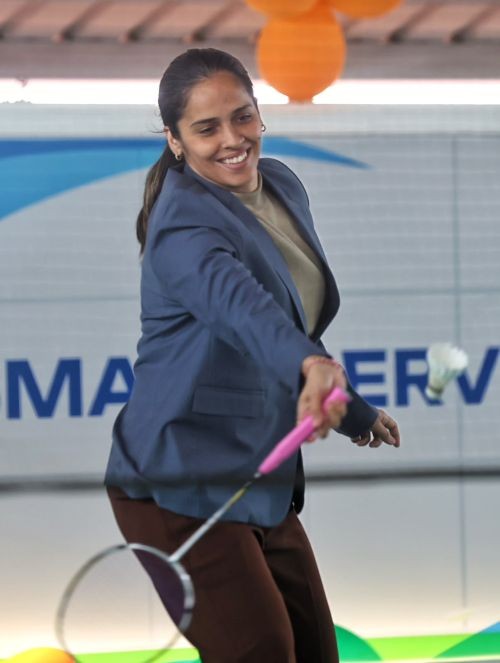
Q. You have spoken about your parents’ sacrifices and giving up a normal childhood for badminton. Did those sacrifices ever become a burden, making you feel that you simply could not afford to fail?
A: I miss the excitement, tension and pressure. Sometimes I did feel pushed and wondered why I had to go through so much. But I always wanted to achieve something special in badminton and become someone who could change the sport in India. Looking back, I realise how much my parents sacrificed. They gave up their own time and opportunities to support me, and I feel proud that their efforts contributed to changing Indian badminton.
Q. What would you tell parents who want their children to become champions in sports or other fields?
A: Parents should start introducing children to sports and discipline early in life. Both parents should spend quality time with their children, whether through walking, running, playing or teaching them about life’s challenges. I also encourage schools to introduce mental training from the age of seven or eight. Meditation, yoga, healthy food and mental preparation can help children become more resilient and better equipped to handle competition and stress.
Q. How difficult was it to accept that your body could no longer sustain the demands of professional badminton after 25 years?
A: It was extremely difficult. When I told my coach about my arthritis, I was informed that the cartilage in my right knee was completely gone and that surgery would not help. The next couple of months were particularly challenging because I was still waking up at 6 am, wanting to train, but had to accept that my body could no longer keep up.
Eventually, I realised that everyone has to stop someday. I still miss training, pushing myself and those intense competitive moments. I sometimes wish I could return to the court, especially with the game becoming shorter and faster, but injuries are part of an athlete's life. Ultimately, I had to listen to my body and accept reality.
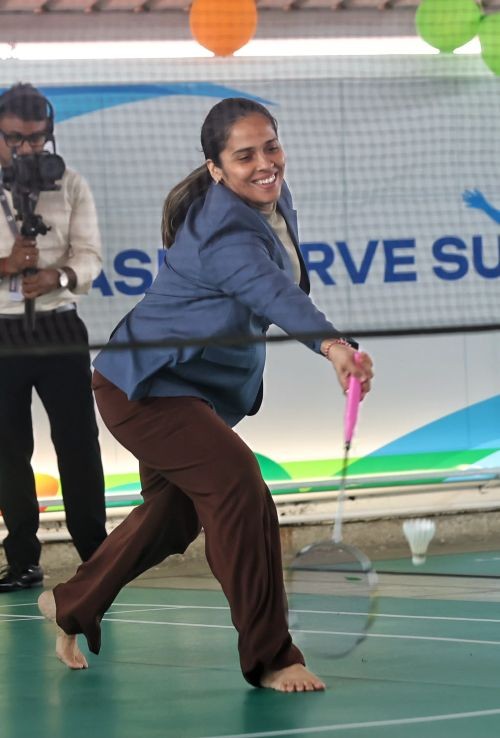
Q. What keeps you motivated to maintain your fitness after retirement?
A: Nobody likes to be fat (laughs). An athlete always wants to remain fit and toned, as that has been a part of life for so long. Staying fit also keeps me active. Given the demands of professional badminton on my body, I don't know how it will function after 50. So, I need to keep my muscles healthy. I go to the gym every day, do conditioning exercises and practise yoga to maintain flexibility.
(Photos: Avishek Mitra/IBNS)