
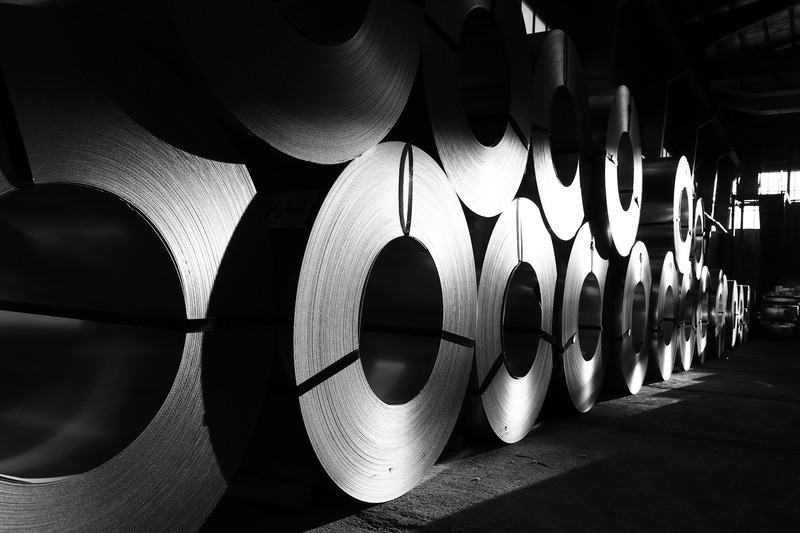
Finance Minister François-Philippe Champagne announced that Ottawa plans to continue its steel tariff-rate quota (TRQ) regime for imports from countries outside the Canada-United States-Mexico Agreement (CUSMA) until June 27, 2027.
Existing tariff relief measures for eligible steel and aluminium imports from the United States will also be extended until June 30, 2027.
The move comes as governments worldwide grapple with steel oversupply and concerns that trade diversion could flood domestic markets with low-cost imports.
"Supporting Canada's steel and aluminium industry means strengthening our regional economies and the future of shared prosperity," Champagne said in a statement.
He said the extension would provide businesses with "clarity and predictability" while protecting Canadian jobs from "steel trade diversion and non-market practices that drive global excess capacity".
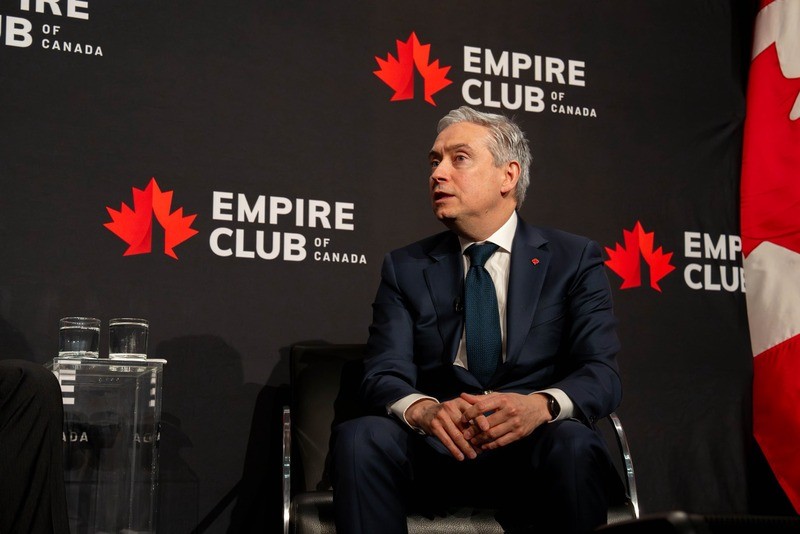
Under the current framework, quota levels will remain based on 20% of 2024 import volumes for countries that do not have a free trade agreement with Canada and 75% for countries that do. Imports exceeding those thresholds will continue to face a 50% tariff.
The government said the United States and Mexico will remain exempt from the quota system under CUSMA rules.
Ottawa also signalled plans to review the administration of the quota regime by exploring an allocations-based system for certain steel product categories. Producers, importers and other stakeholders will be consulted as part of the process.
The announcement reflects Canada's broader effort to shield strategic industries from mounting global competition amid growing economic uncertainty and trade tensions.
Steel-producing countries have increasingly raised concerns about excess global capacity, particularly from state-supported producers, which can depress prices and redirect exports into other markets.
The government said it would continue discussions with domestic manufacturers to ensure existing remission and tariff-relief programmes support a competitive Canadian steel sector while maintaining supply-chain stability.
The one-year extension is intended to give producers and importers greater certainty as Canada pursues efforts to diversify export markets and strengthen key industrial sectors.