
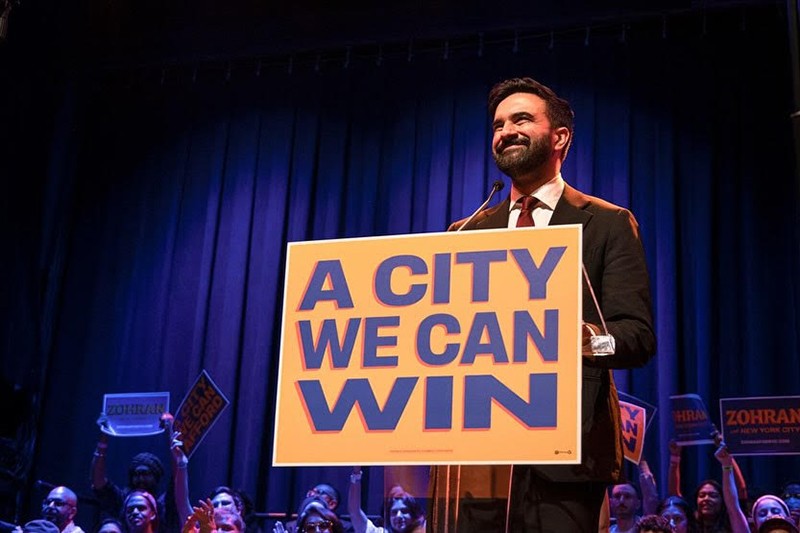
Controversies apart, they are charismatic, influential, headline-grabbing figures who, for all their fame and political traction, have one thing in common: they can never become President of the United States.
The reason? Article II, Section 1 of the U.S. Constitution, which states that only “natural-born citizens” are eligible for the nation’s highest office.
The clause, simple on its face, has sparked legal debates, inspired conspiracy theories, and quietly sidelined some of the most high-profile public figures from ever pursuing the Oval Office.
Outsiders who captured America’s imagination
The most recent example to stir this centuries-old rule into public discourse is New York City mayoral hopeful Zohran Mamdani.
Born in Uganda to Indian parents, Mamdani has risen rapidly within New York’s political scene.
His unapologetically progressive platform, controversial support for Palestinian rights laced with anti-Netanyahu remarks, and sharp rhetoric against establishment politics have made him a household name, alongside fierce opponents and staunch supporters.
But no matter how high Mamdani’s star rises, one ceiling remains impenetrable. While his Muslim identity and brand of politics has divided the Democrats themselves, many think his appeal will not work in key US battlegrounds.
According to a report in The Guardian, corners of the party (Democrats) were raising alarms, warning that Mamdani’s populist economic policies and pro-Palestinian views placed him beyond the pale of swing-voter consensus.
“What can work in Brooklyn is not the path for the battlegrounds,” Kate deGruyter, communications director at the centrist Democratic think tank Third Way, told The Guardian. “And I think we need to be really clear about that," he was quoted saying by the British newspaper.
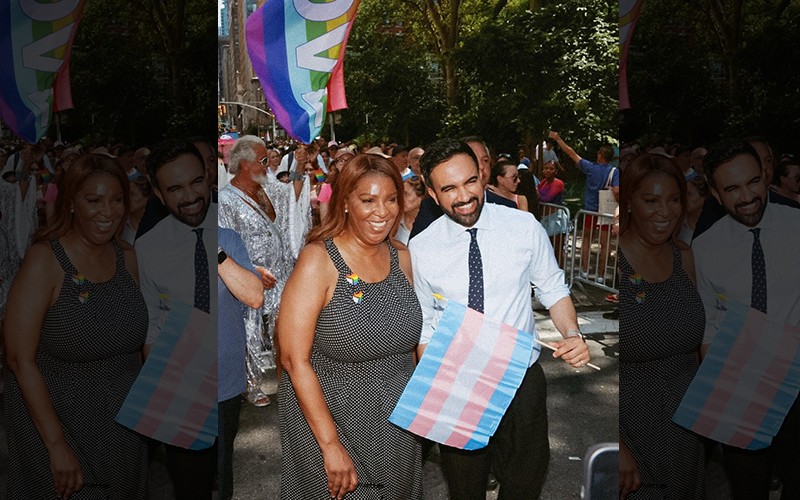 Zohran Mamdani at the New York pride parade. Official FB
Mamdani's foreign birth disqualifies him from the presidency, a fact that has resurfaced amid growing national attention on his campaign and speculation about his broader political future.
He’s not alone. Elon Musk, the billionaire tech magnate, was born in South Africa.
Despite reshaping global industries — from electric vehicles to space exploration — Musk remains barred from presidential ambitions.
That hasn't stopped his political entanglements, from public feuds with regulators to frequent commentary on U.S. policy, but the ultimate political prize remains beyond reach.
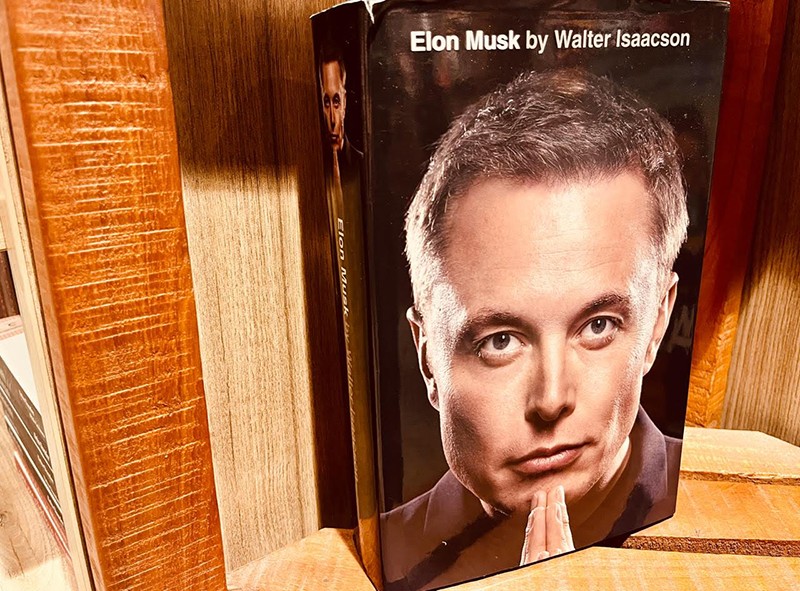 Elon Musk shapes tech policy and energy debates in the US. Photo: Sujoy Dhar
And of course, Arnold Schwarzenegger — the Hollywood action star turned California governor — embodies this paradox best.
Born in Austria, Schwarzenegger’s improbable rise from immigrant bodybuilder to Republican governor was, for a time, seen as a prelude to even greater ambitions.
Yet despite his political capital, wide name recognition, and bipartisan appeal, the constitutional wall stood firm.
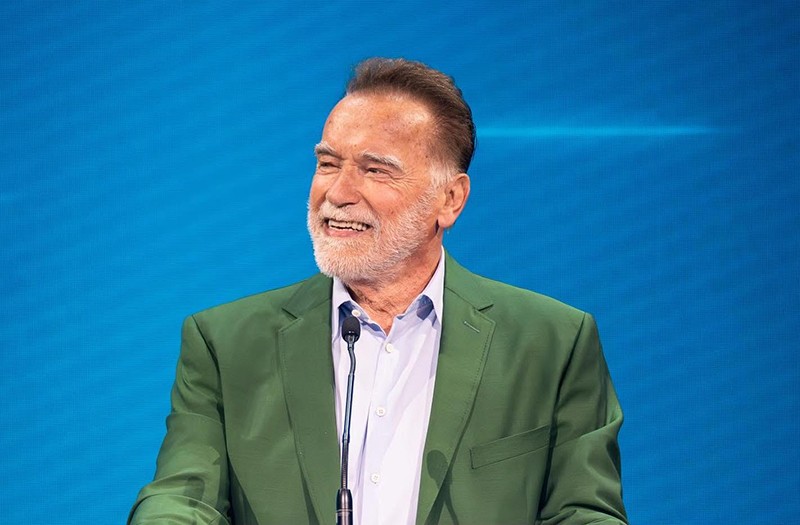 Austria born Hollywood actor Arnold Schwarzenegger was the 38th governor of California. Photo: Official FB
Old rule, new questions
The “natural-born citizen” requirement dates back to 1787, a relic of America’s founding fears of foreign influence.
The Founders, wary of European aristocrats infiltrating the young republic, designed the eligibility clause as a safeguard.
Over the centuries, the rule has rarely been tested in court.
It has, however, spawned countless debates: Is the restriction outdated in a nation built by immigrants? Should America’s evolving identity make space for foreign-born leaders, especially those who have spent most of their lives contributing to its fabric?
For figures like Musk and Schwarzenegger, the answer from the political establishment has been a quiet but firm no.
Constitutional amendments to overturn the clause have been floated — notably during Schwarzenegger’s governorship — but none gained serious traction.
Modern political paradox
What makes this rule increasingly contentious is the significant influence foreign-born individuals exert in American public life.
Musk’s role in shaping tech policy, energy debates, and even social media discourse is undeniable.
Schwarzenegger's environmental advocacy continues to resonate, while Mamdani’s rise underscores how immigrant voices are reshaping urban politics.
But when it comes to the presidency — the symbolic pinnacle of American leadership — a firm line remains drawn.
Critics argue the rule undermines the very ideals of meritocracy and inclusiveness that the nation professes.
Supporters counter that it preserves national security and loyalty in uncertain geopolitical times.
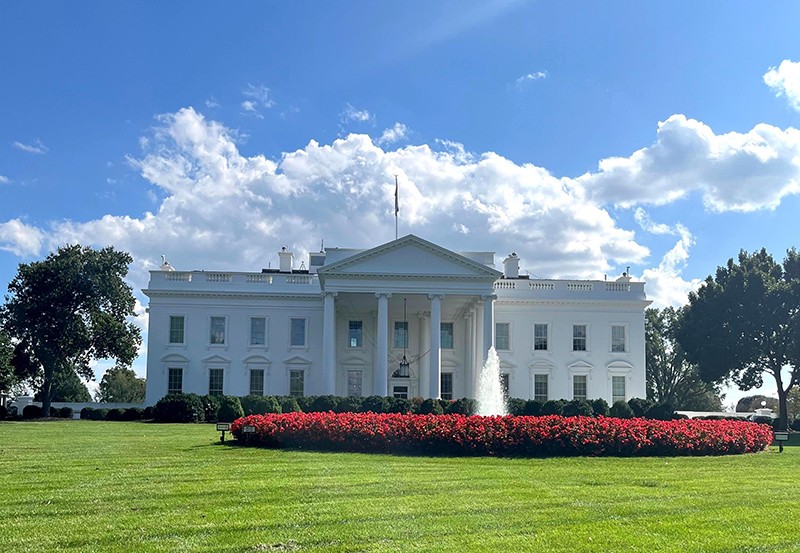 The White House is the official residence and workplace of the president of the United States. Photo: Sujoy Dhar
Cultural fascination, constitutional frustration
The irony is not lost on the public.
The idea of a foreign-born president has permeated American pop culture — from fictional portrayals in TV shows to speculative think-pieces. But the legal framework remains immovable.
And so, Mamdani, Musk, and Schwarzenegger join a club: individuals whose achievements, wealth, or popularity might influence presidents, but never embody one.
Their trajectories highlight both America’s immigrant promise and its constitutional limitations.
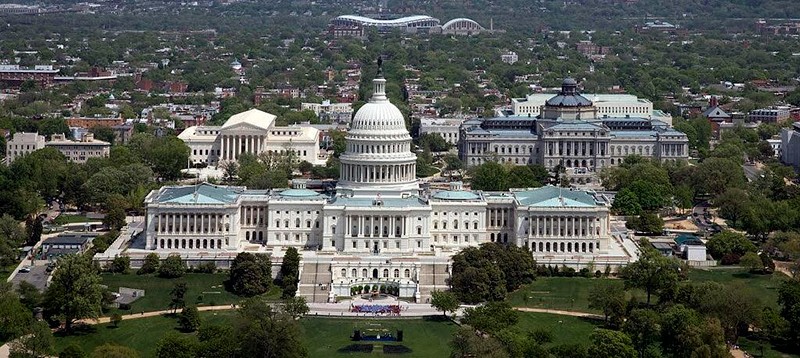 The United States Capitol, or the Capitol Building on Capitol Hill in DC, is the seat of the US Congress, the legislative branch of the federal govt. Photo: Wikipedia Commons
As debates over citizenship, belonging, and leadership evolve, the “natural-born” clause remains a quiet yet potent reminder that in the United States, even the most audacious dreamers can find some doors permanently closed — not by lack of ambition, but by birthplace.
For now, the power they can’t touch continues to shape the boundaries of American possibility, one rising star at a time.