
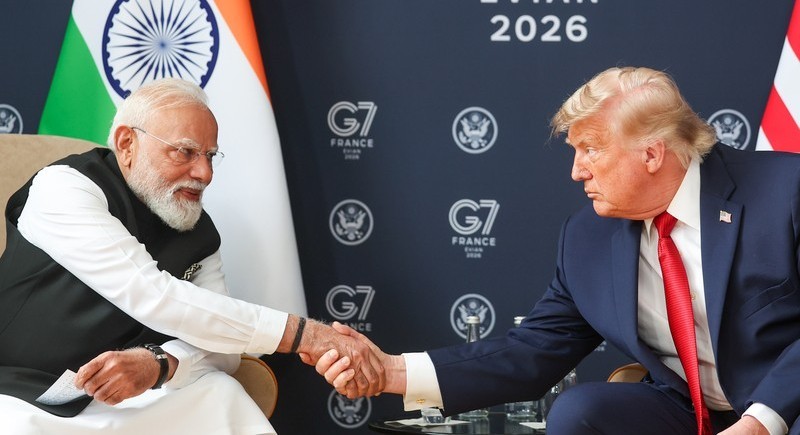
Trump suspended the measure that threatened to impose 100 per cent tariffs on India and other major buyers of Russian crude oil, citing the national interests of the United States.
“As described further in Section 4 of this order, I am hereby waiving the application of such sanctions, restrictions, and duties provided for in the Graham Act. I have submitted to the Congress a certification that the issuance of such a waiver at this time is in the national interests of the United States,” the White House said in a statement.
However, the move does not permanently scrap the proposed Russia-related tariffs. Their implementation has been suspended, leaving Trump free to impose them at a later date.
Trump signed the Graham Act into law on September 18, 2026.
“The Graham Act provided for the imposition of certain sanctions with respect to foreign persons, restrictions with respect to persons, and duties with respect to goods imported into the United States from the Russian Federation and certain other countries,” the White House said.
Section 115 of the legislation authorises the President to waive sanctions against foreign persons, restrictions on individuals and duties on goods, provided he submits a written certification to Congress stating that the waiver is in the national interests of the United States.
What the waiver means for India
Relief for Indian oil imports
India could continue buying Russian crude with less immediate concern about the specific US penalties covered by the waiver. Russian oil has been an important source of supply for Indian refiners, particularly when it is competitively priced.
Reduced risk of a 100 per cent tariff shock
The threatened tariffs could make Indian goods more expensive in the US, potentially hurting exporters and making Indian products less competitive. Suspending the measure would ease the immediate risk, although the impact would depend on the scope and duration of the waiver.
More breathing room for Indian refiners
Refiners would have greater short-term flexibility when deciding whether to buy Russian crude or source oil from the Middle East and elsewhere. However, shipping, insurance, payment restrictions and other applicable sanctions could continue to affect purchases.
Potential boost for India–US trade relations
The waiver could ease a major source of tension between New Delhi and Washington. Before the move, India had warned that the proposed penalties could affect bilateral relations and disrupt the global energy market.
No permanent guarantee against tariffs
The waiver does not permanently eliminate the threat of Russia-related tariffs. The White House order allows the administration to revisit the measure, leaving India exposed to potential future changes in US policy.
The administration is also expected to continue monitoring Russian energy purchases and possible sanctions evasion.
What lies ahead?
The decision offers India temporary economic and diplomatic breathing room, particularly by easing the immediate threat of additional tariffs on Indian exports.
However, the long-term impact will depend on how Washington implements the waiver, whether the suspension remains in force and how India balances its energy security interests with its trade relationship with the United States.