
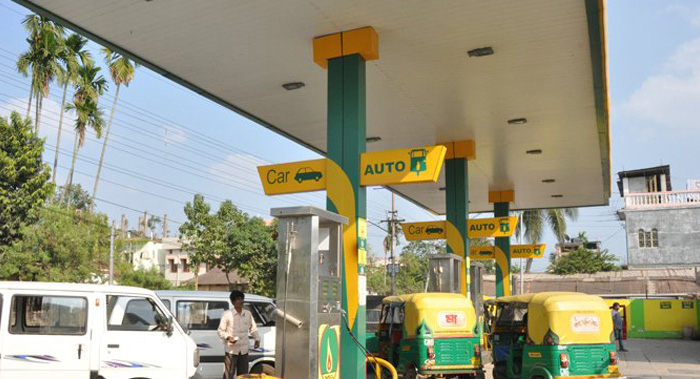
Tripura Natural Gas Company Limited (TNGCL) has once again increased the prices of Compressed Natural Gas (CNG) and Piped Natural Gas (PNG), adding further pressure on common people already struggling with rising inflation and continuously increasing fuel prices across the country.
According to an official notification issued by TNGCL, the revised rates will come into effect from May 27, 2026.
As per the revised rates, CNG prices in West Tripura district have been increased from Rs 85.15 to Rs 87.15 per kg, while in Gomati district the price has risen from Rs 89.95 to Rs 91.95 per kg. Domestic PNG prices have also been revised upward in both districts, affecting household consumers, government quarters, commercial establishments and industries.
The latest hike comes barely weeks after the previous revision in April and March this year, triggering widespread concern among consumers and transport operators. Reports indicate that TNGCL has revised CNG and PNG prices multiple times in recent months citing increase in gas procurement and operational costs.
The repeated increase in fuel prices is expected to directly impact daily life. Auto-rickshaw drivers, commercial vehicle operators and middle-class families dependent on PNG for cooking are likely to face additional financial stress. Many fear that transport fares and prices of essential commodities may rise further as fuel costs continue to climb.
The development has come at a time when inflationary pressure is already affecting household budgets across the country. Petrol, diesel and CNG prices have witnessed multiple hikes in different states over the past few weeks amid global energy market instability and rising crude oil prices.
Common people in Tripura have started expressing frustration over the continuous rise in utility and fuel expenses. Consumers allege that despite repeated assurances regarding stable fuel supply, the financial burden is being shifted directly onto the public.
Experts believe that continuous hikes in CNG and PNG prices could affect transportation costs, small businesses and industrial operations in the state, especially at a time when people are already coping with high prices of food items, essential commodities and daily necessities.
Meanwhile, TNGCL stated that the revision has been made due to the increase in gas prices and related costs.