
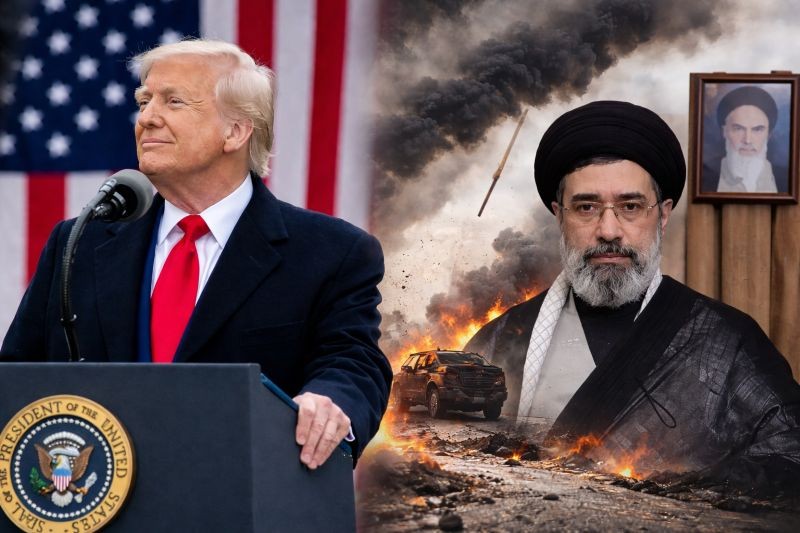
Iranian state television cited what it described as a draft “memorandum of understanding” between Tehran and Washington, though it acknowledged the text had not yet been finalised.
According to the reported draft, the United States would lift what Iran called a “naval blockade” and stop interfering with ships travelling to and from the Islamic Republic.
“The United States has committed itself to lifting Iran's naval blockade and to cease harassing ships passing to or from the Islamic Republic of Iran,” the state TV report said.
Iran to continue controlling shipping routes
Under the proposed framework, Iran would permit commercial shipping through the Strait of Hormuz but would continue managing shipping lanes, inspecting vessels and imposing service fees on ships crossing the waterway.
The draft also stated that the reopening would not apply to military vessels and that access to the strait would not be granted “unconditionally”.
The Strait of Hormuz remains one of the world’s most critical oil transit chokepoints, with a significant portion of global crude exports passing through the narrow Gulf passage.
Questions over US troop withdrawal
The draft further referred to an alleged American commitment to withdraw forces from the region.
However, it remained unclear whether the reported pledge covered only forces deployed during the recent conflict or extended to longstanding US military bases across the Gulf.
The document also outlined a 60-day negotiation window during which Tehran and Washington would attempt to finalise a broader agreement.
If negotiations succeed, the draft said, the deal could eventually be endorsed through a binding resolution at the United Nations Security Council.
White House rejects Iranian claims
The White House strongly denied the existence of any such agreement and dismissed the Iranian report as false.
“This report from Iranian controlled media is not true and the MOU they ‘released’ is a complete fabrication. Nobody should believe what Iranian state media is putting out. FACTS MATTER,” the White House said in a post on X.
This report from Iranian controlled media is not true and the MOU they “released” is a complete fabrication. Nobody should believe what Iranian state media is putting out. FACTS MATTER. https://t.co/agpTnBSgKu
— Rapid Response 47 (@RapidResponse47) May 27, 2026
Tensions continue despite ongoing talks
The developments come even as indirect negotiations between Iran and the US continue amid heightened regional tensions.
On Tuesday, the US military launched fresh strikes in southern Iran, targeting missile sites and boats allegedly attempting to deploy naval mines. Washington described the operation as an act of “self-defence”.
Shortly afterward, Donald Trump said he expected Iran to surrender its enriched uranium stockpile to the United States for destruction or allow it to be destroyed inside Iran under international supervision.
Despite the escalating rhetoric and military exchanges, Iran said on Wednesday that a full-scale war with the United States appeared unlikely.
The statement came just a day after Tehran accused Washington of violating a ceasefire that has been in place since April and warned that it was prepared to retaliate if attacks continued.
Pakistan has reportedly been involved in mediation efforts between the two countries as diplomatic negotiations continue.