
The agency's internal affairs division has launched an investigation into the alleged disclosure. It remains unclear whether the employee will face administrative action, criminal charges, or both.
The suspension comes as the Trump administration intensifies efforts to curb unauthorised leaks of sensitive government information.
Report details agents' frustration
According to the report, the suspended employee disclosed information suggesting that some Secret Service agents had grown frustrated with Vice President Vance's last-minute personal travel requests.
One incident that reportedly caused particular concern involved a proposal to fly Vance and one of his young sons across Washington aboard Marine Two for a golf lesson.
Although the trip was ultimately cancelled because of bad weather, the request itself reportedly surprised members of the vice president's security detail.
The report also claimed that Vance and Second Lady Usha Vance recently made multiple helicopter trips to Middleburg, Virginia, while searching for a new home.
Marine Two use under scrutiny
The report noted that any use of Marine Two for a personal trip would have required approval from the White House Military Office.
Based on Pentagon budget estimates from 2022, operating the helicopter costs taxpayers between $16,000 and $24,600 per flight hour, raising questions over the potential public expense of such travel.
Vance's office defends security team
A spokesperson for Vice President Vance dismissed suggestions of misconduct and praised the Secret Service personnel protecting his family.
"The Vances are grateful to the men and women of the US Secret Service who serve our country with distinction," the spokesperson said, according to The Independent.
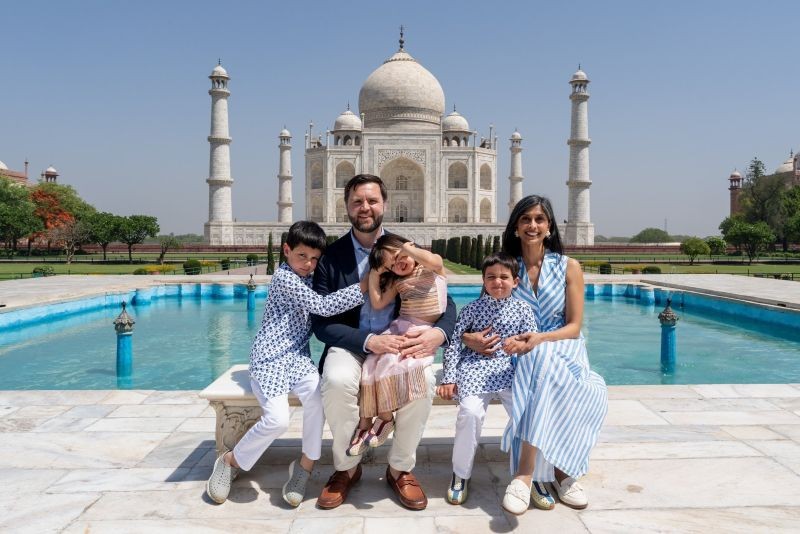
The Vances have three children aged nine, six and four, and are expecting their fourth child.
Trump administration pursues leak investigations
The reported suspension comes amid a broader campaign by the Trump administration to investigate unauthorised disclosures of government information.
Earlier this month, the administration subpoenaed several New York Times journalists following their reporting on security concerns surrounding the next-generation Air Force One aircraft.
According to the newspaper, federal agents delivered subpoenas to some reporters at their homes, compelling them to testify before a federal grand jury in Manhattan.
Under US law, journalists have limited protection against federal subpoenas. The US Supreme Court has ruled that the First Amendment does not provide reporters with a blanket right to refuse testimony unless the subpoenas are issued in bad faith or solely to harass them.
The Trump administration has maintained that its investigations are focused on identifying and prosecuting government leakers, rather than targeting journalists themselves.