
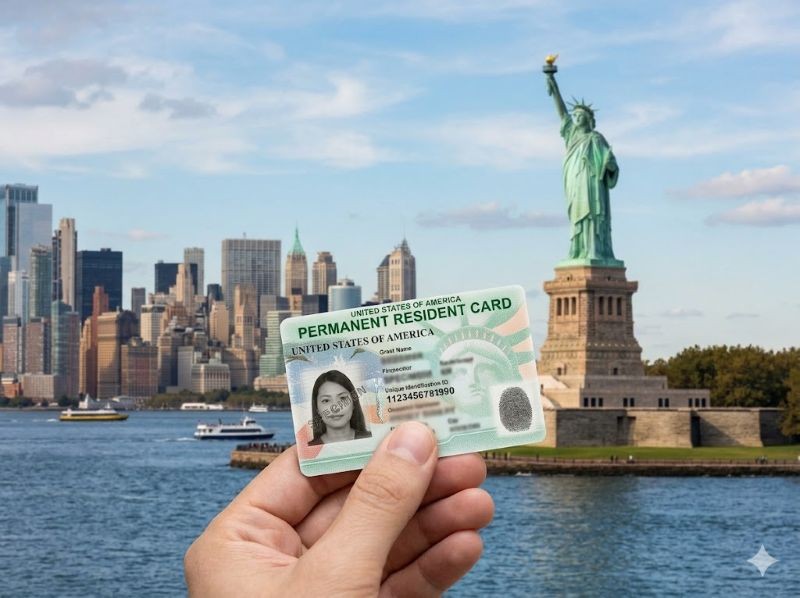
If passed, the proposal would allow immigrants who have lived continuously in the United States for at least seven years to apply for a Green Card, provided they meet other eligibility criteria, including having no criminal record.
Padilla said the measure would modernize an immigration provision that has remained unchanged since 1986 and could benefit more than eight million people living in the country.
'Congress cannot continue to ignore millions'
Announcing the bill, the California senator said the legislation was aimed at protecting immigrants who have built their lives in the United States despite living under uncertainty.
"A year ago, I introduced this bill to push back against the Trump administration's cruel treatment of hardworking immigrants," Padilla was quoted as saying in media reports.
"Since then, President Trump's campaign of fear has only escalated, with families living under constant uncertainty despite having built their lives in this country."
He added that Congress must modernize immigration laws and create a fair pathway to lawful permanent residency for long-term residents.
What the bill proposes
The legislation, titled the Renewing Immigration Provisions of the Immigration Act of 1929, would amend Section 249 of the Immigration and Nationality Act, commonly known as the Registry provision.
Currently, the Registry allows certain immigrants to obtain permanent residency only if they have lived in the US since January 1, 1972. Padilla's proposal would replace that fixed date with a rolling requirement of seven years of continuous residence.
The revised rule would take effect 60 days after the law is enacted.
Applicants would still be required to meet all existing Green Card eligibility requirements, including maintaining a clean criminal record.
Major relief for Indian H-1B professionals
The proposal is particularly significant for Indian professionals, who account for a large share of H-1B visa holders and often face decades-long waits for employment-based Green Cards because of country-specific caps.
Besides H-1B workers, the legislation would also benefit Dreamers, Temporary Protected Status (TPS) holders, essential workers, and children of long-term visa holders who have spent years in the United States.
Political reality: Passage remains uncertain
Despite Democratic backing, the bill faces an uphill battle in Congress, where Republicans have largely pushed for stricter immigration measures rather than expanding legal pathways.
The legislation is co-led in the Senate by Democratic Whip Dick Durbin and has the support of 14 additional Democratic senators.
In the House of Representatives, California Congresswoman Zoe Lofgren has introduced companion legislation.
With Republicans controlling the legislative agenda on immigration, the proposal's chances of becoming law remain uncertain despite its potential to reshape the Green Card process for millions of long-term US residents.